My initial thought in exploring the sacred geography of Greece is that I would find the ancient world in a more harmonious relationship with nature and find the schism between humans and nature in the shift from pantheism to Christianity. But a visit to Meteora has upended that assumption.
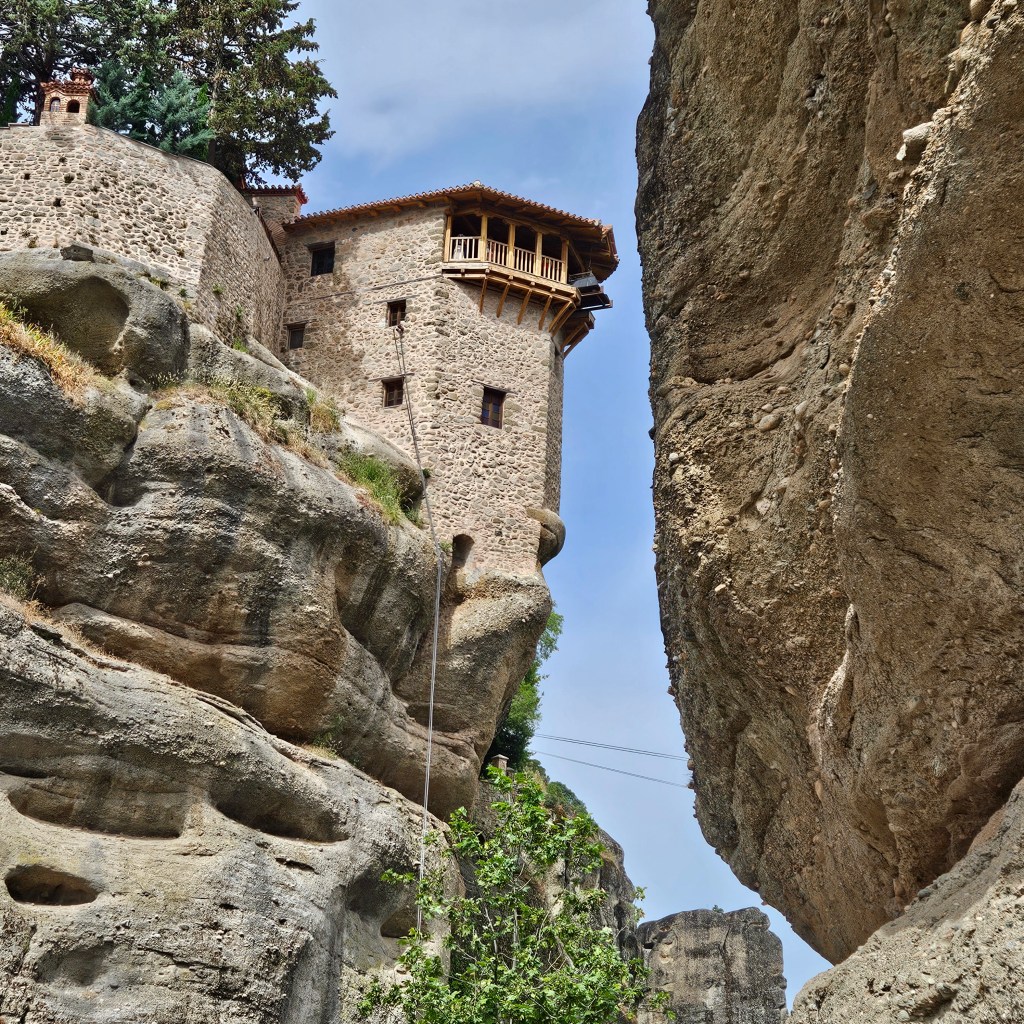
The rock formations alone are enough to attar attention—These grey pillars shoot straight up out of the valley like giant mushrooms. Composed of a mostly uniform sandstone or conglomerate these rocks are clearly erosional remnants, long deposited, uplifted, and sculpted into a collection of massive columns.
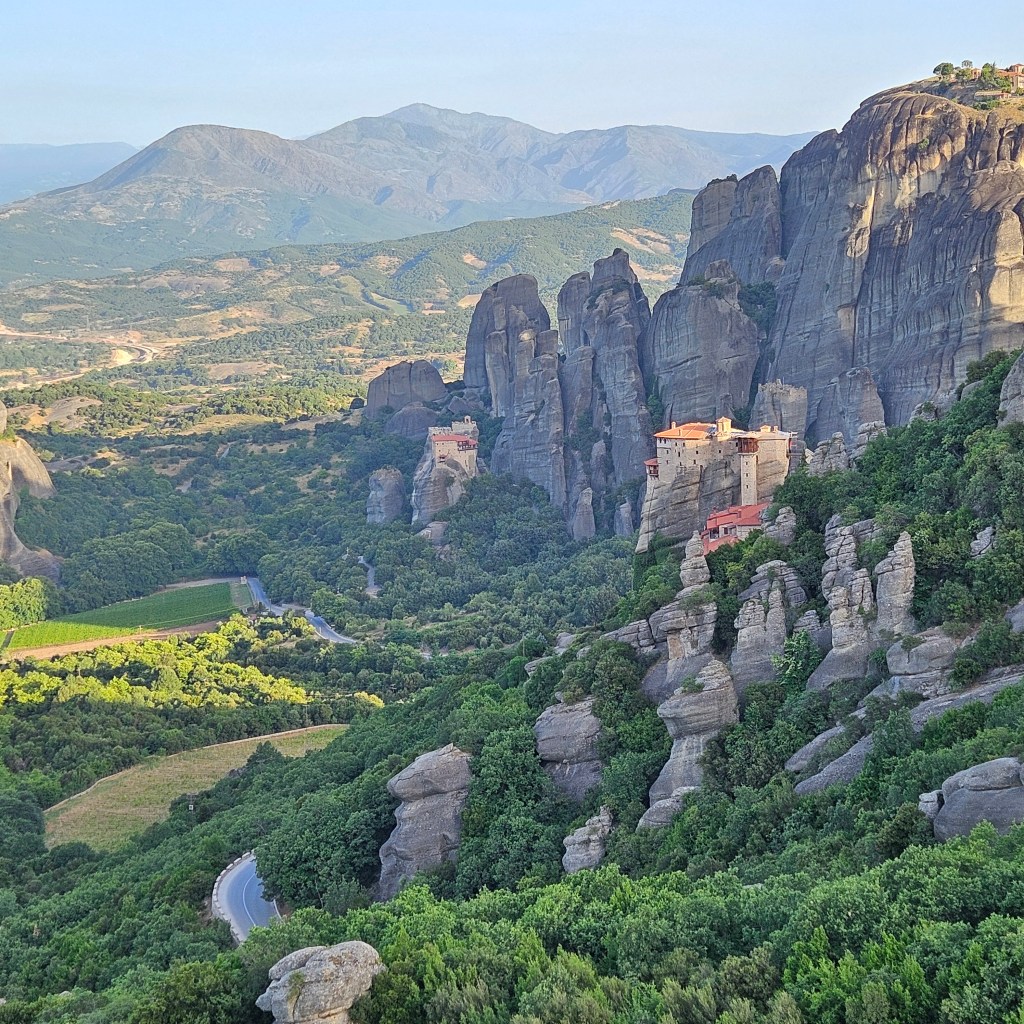


While archaeological evidence suggests the area has been inhabited off and on for 50,000 years, it was the arrival of acetic monks in the 9th century that began the fusion between human and rock. By the 14th century, Byzantine monks began to build hermitages and monasteries on the tops of the rock formations. Hauling water and food, not to mention all the bricks, roof tiles, and other materials up here via rope ladders must have required a certain type of…. devotion? Apparently, the idea was that being perched onto of these rock pillars, some over 1500 feet above the valley, protected the monks and nuns from the Ottoman Turks during their occupation of Greece.


While this is certainly a reasonable explanation, I can’t help but consider the spiritual motivation. Ever since the ancient Greeks (and even as far back as the Egyptian pyramids) people have sought to orient their religious practice skyward. The move from earth worship to sun worship seems to have occurred throughout the world with the advent of civilizations and organized religion.
The rocks of Meteora certainly put one high up in the sky, closer to God than any medieval human construction could manage. But unlike the ancient Greek temples with their columns dominating the skyline, the monks at Meteora choose to dwell within the rock towers, sometimes literally in shallow caves. Over the past 700 years most of the 24 monasteries have fallen into ruin, but the six remaining are a stunning blend of human creativity and engineering with natural elements.

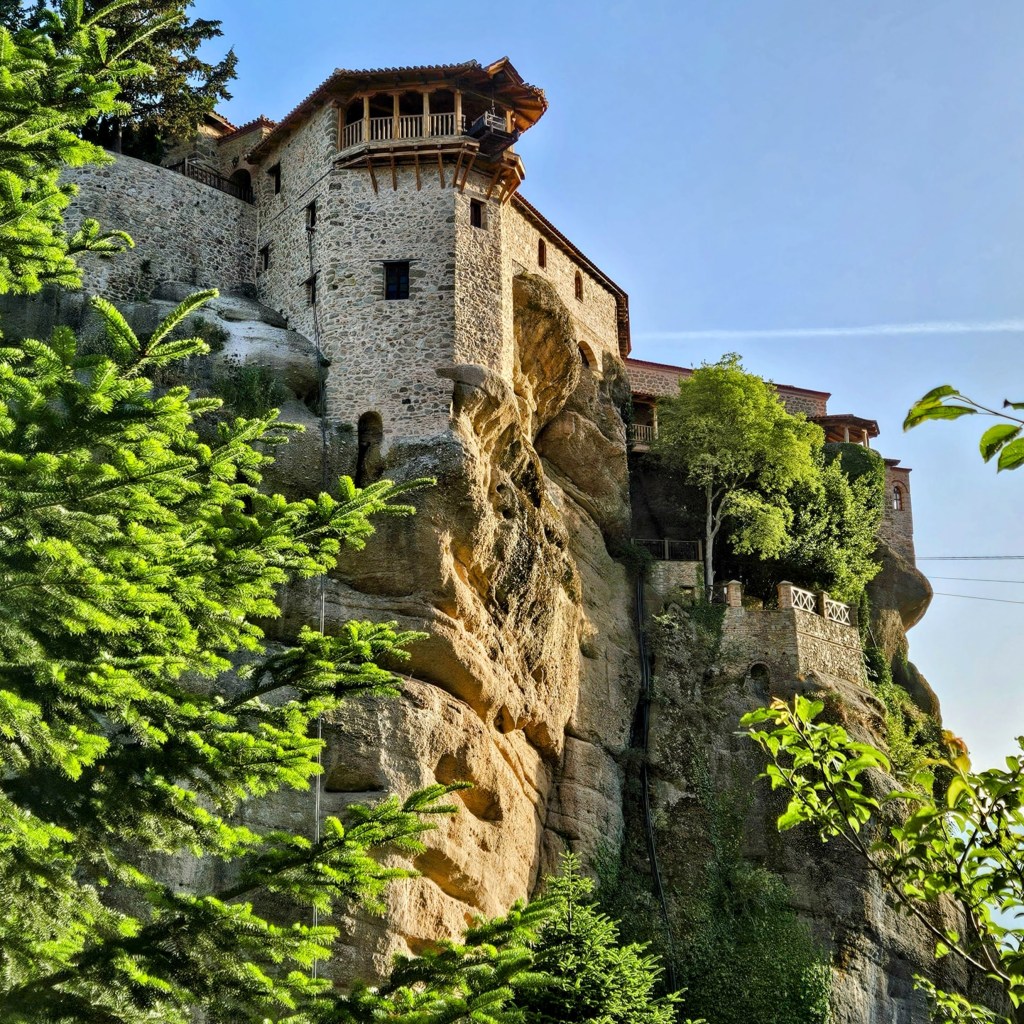
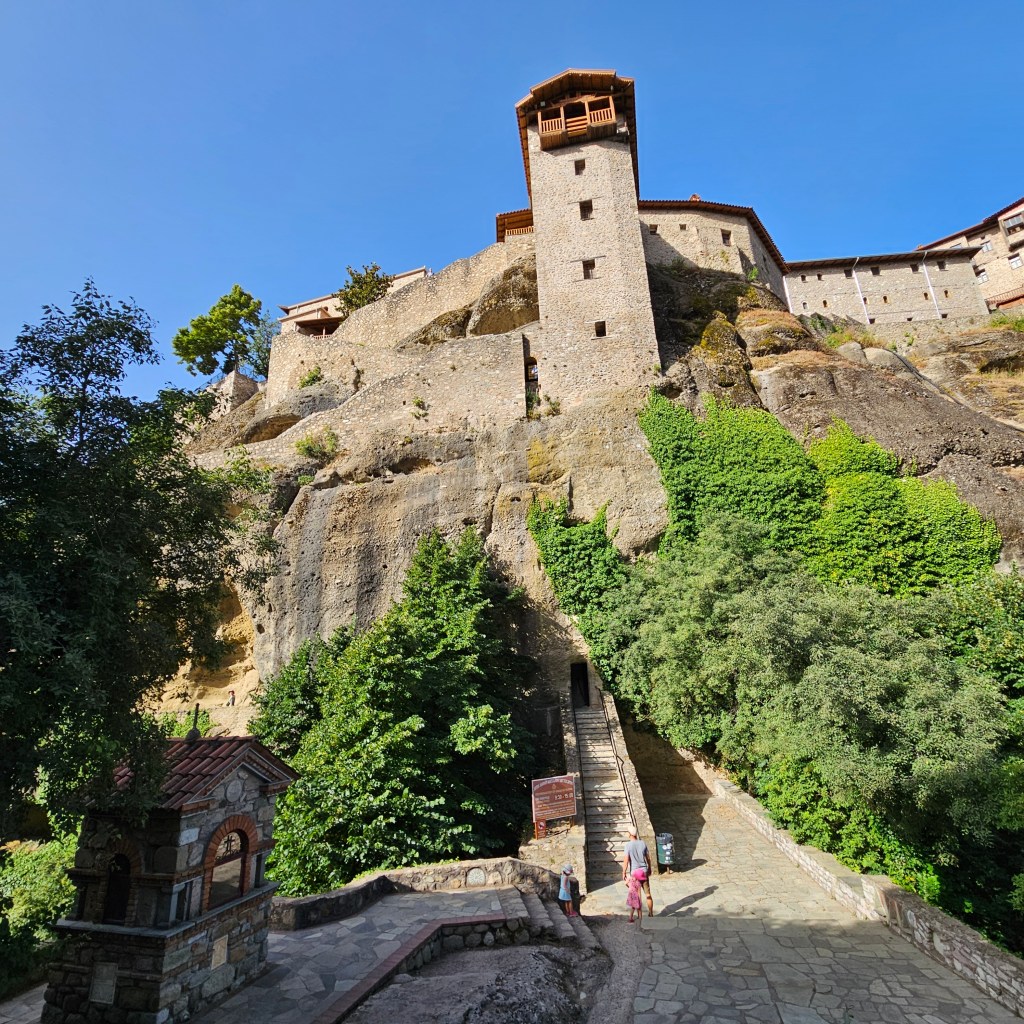

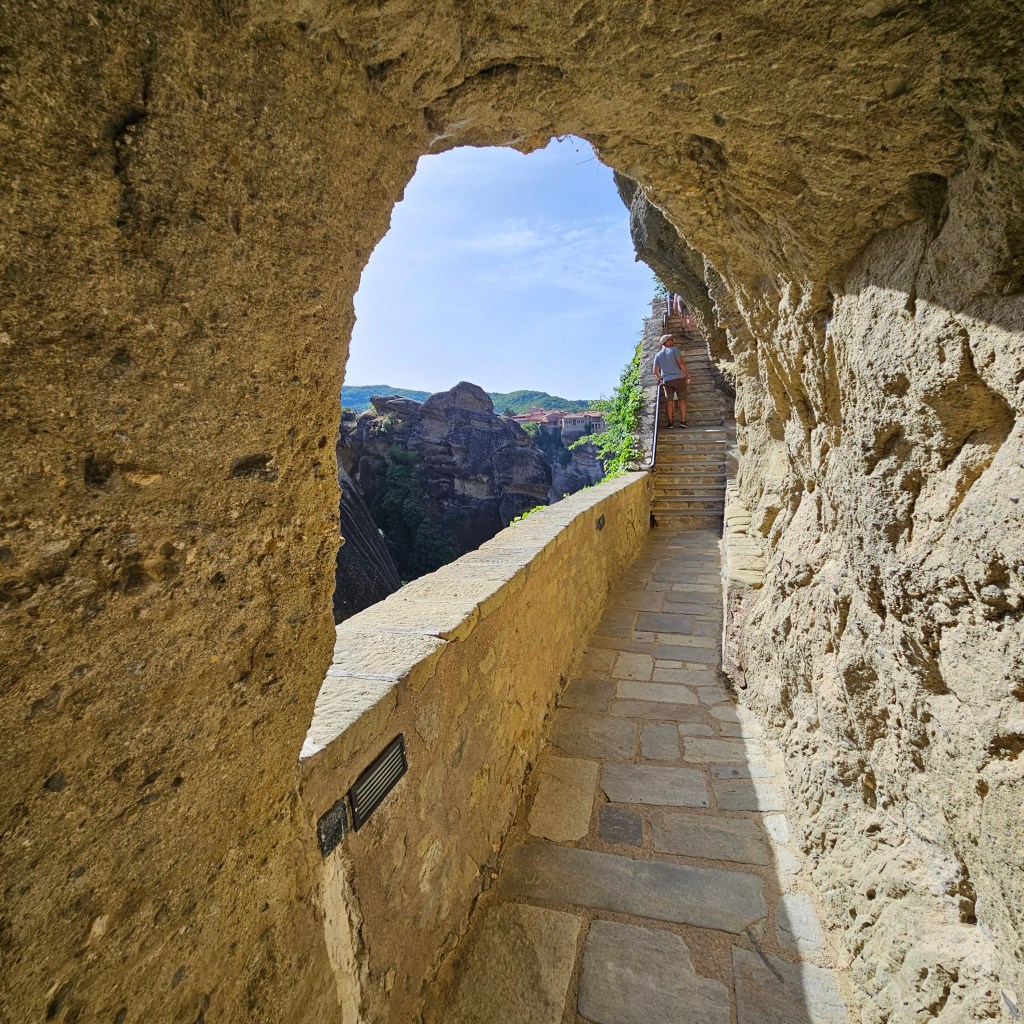

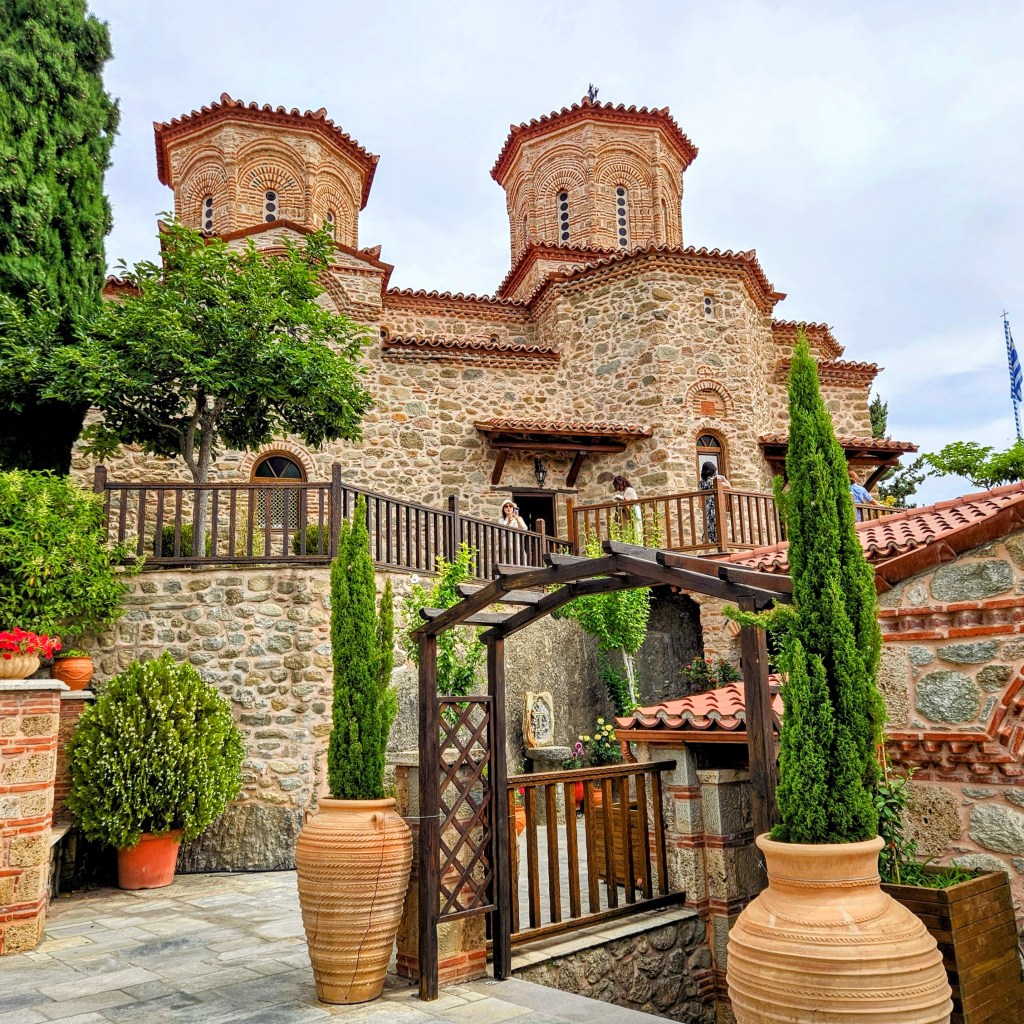
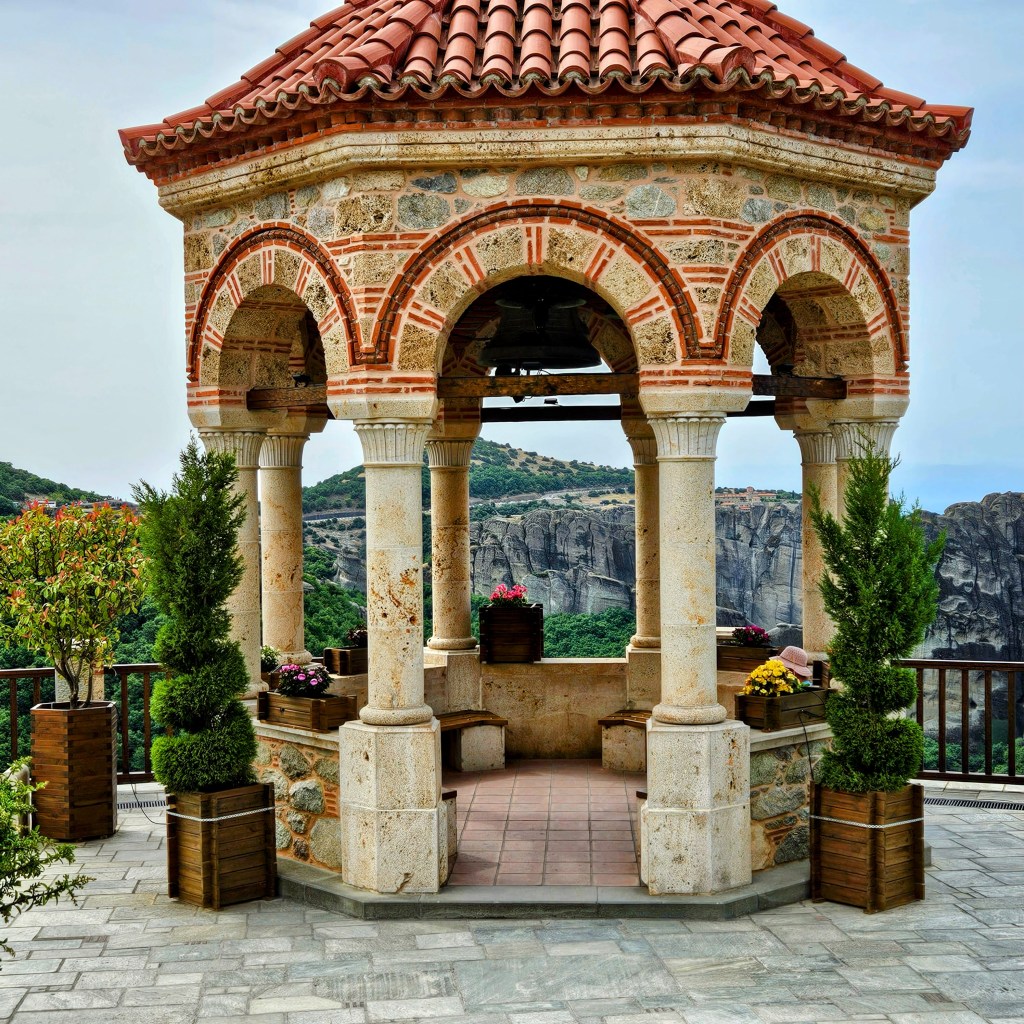


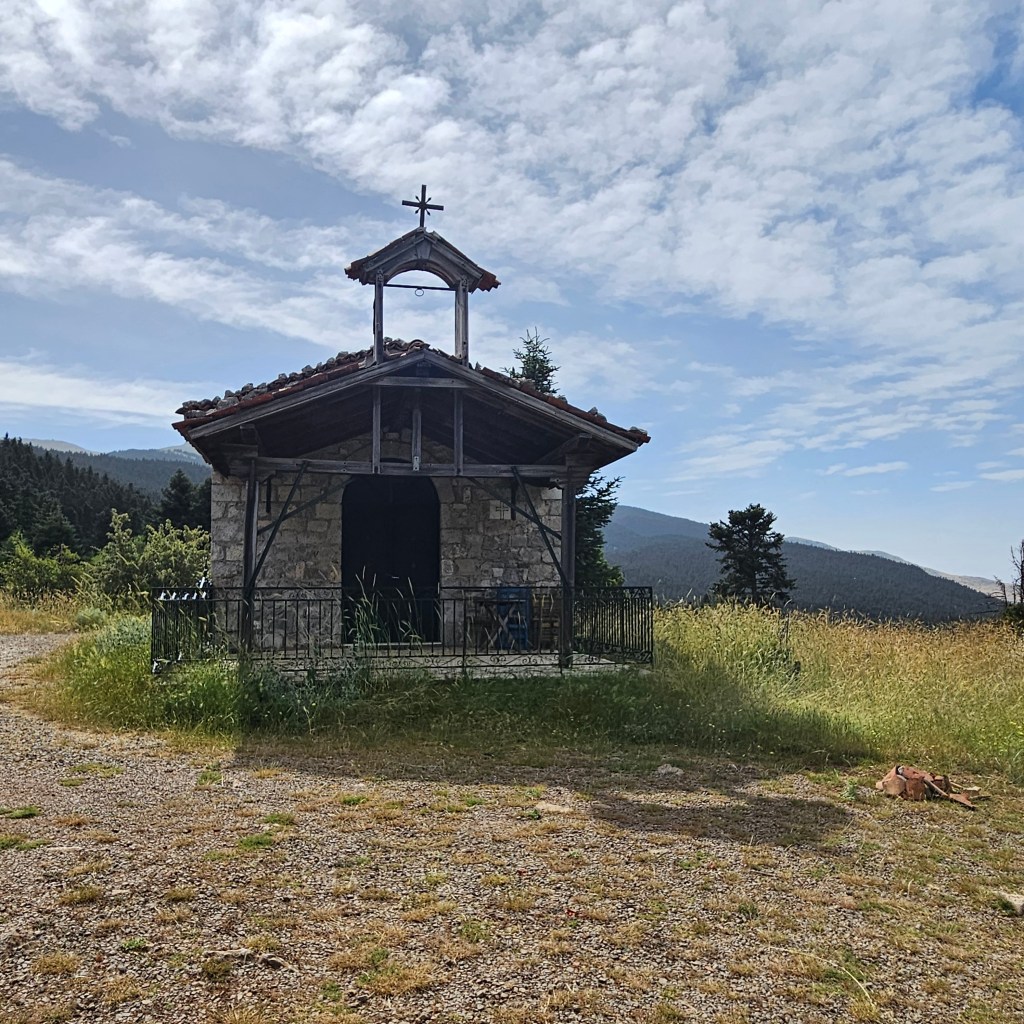
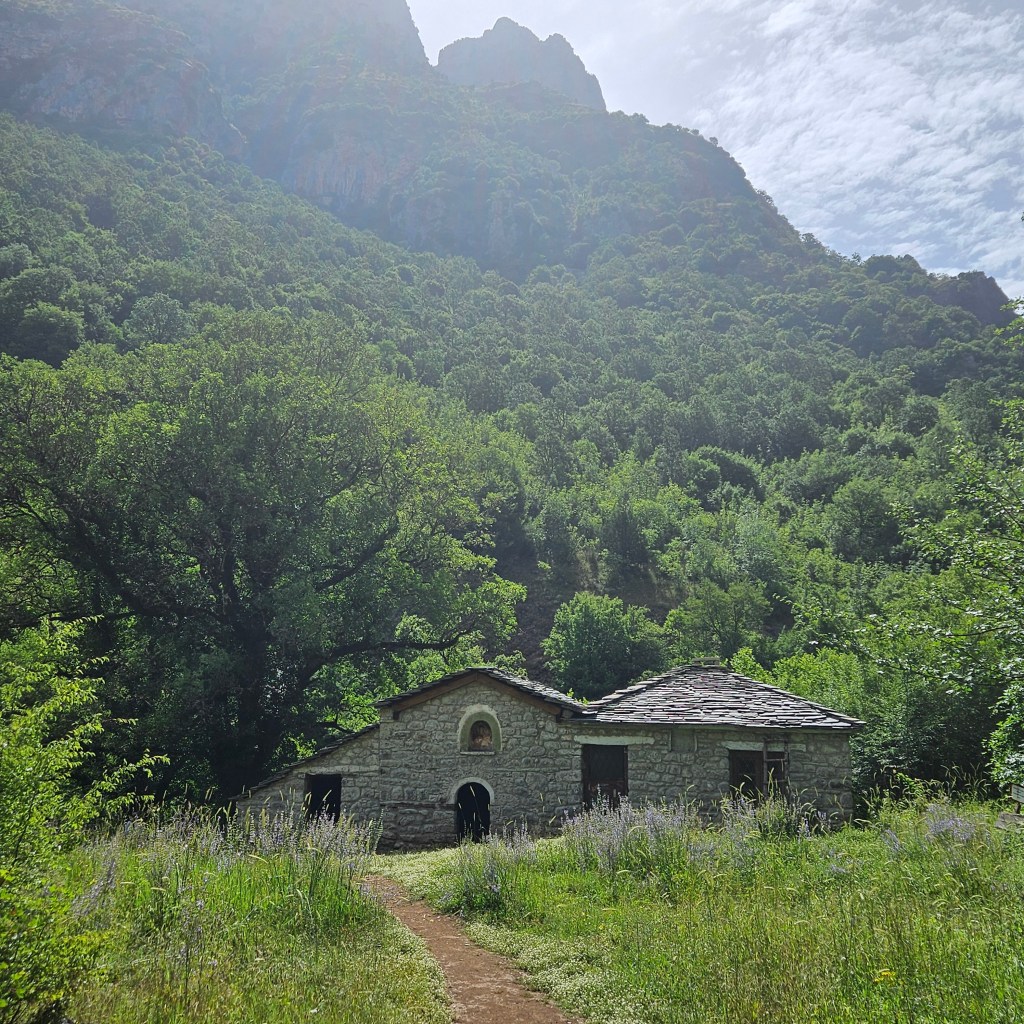
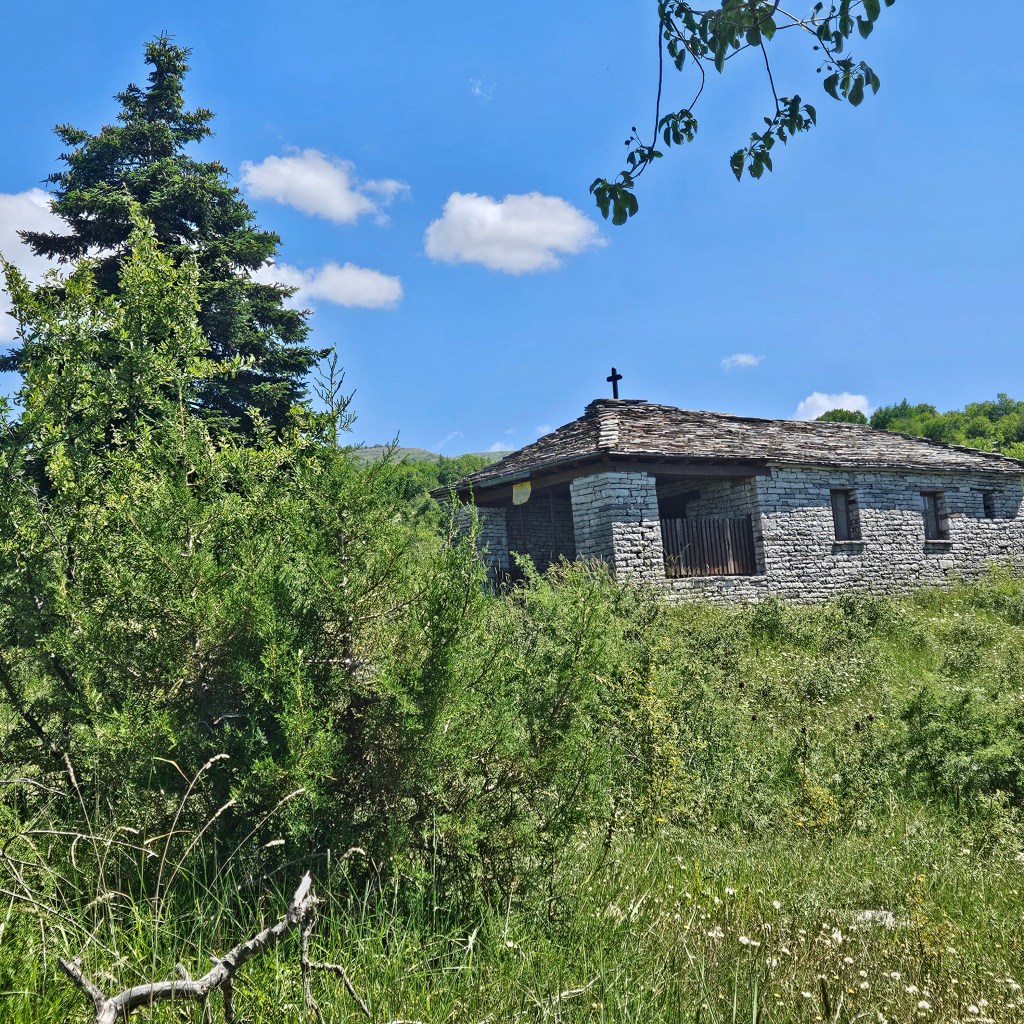
Throughout Greece, I noticed that the Christian churches and monasteries tend to modest affairs, especially compared to the ancient temples, and are often embedded in natural surroundings such as forests or on hilltops. In just looking at the geographical placement of spiritual sites, the Orthodox Church would appear derivative of pantheism while the polytheism of ancient Greece is more humanistic.



 Rewilding Urban Rivers
Leave a comment