I have long been a student of national parks in both the ideal and practice (See Mountains without Handrails by Joseph Sax). While national parks are certainly expressions of national identity imposed upon the landscape, they are also manifestations of the sacred in a secular age. We approach these special areas with a degree of awe and reverence typically reserved for places of worship, and yet we cram as many people in as possible, flood Instagram with selfies, harass wildlife, and generally trash the place.
In traveling to Greece in Summer of 2024, I hoped to gain some insight to the role of natural places in the “evolution” of western civilization. Might there be a connection between sacred sites of the ancient world and those of today? While admittedly a cursory view, what I found was that there was never a clean break between the natural and human worlds:
The story of the last 4000 years (more or less) has been one of repeated attempts by civilization to break free from the forces of nature. This is probably best illustrated by the Gigantomachy—the triumph of the Olympians over Gaia. And yet animism infused ancient Greece, from worship of caves, rivers, trees, etc.
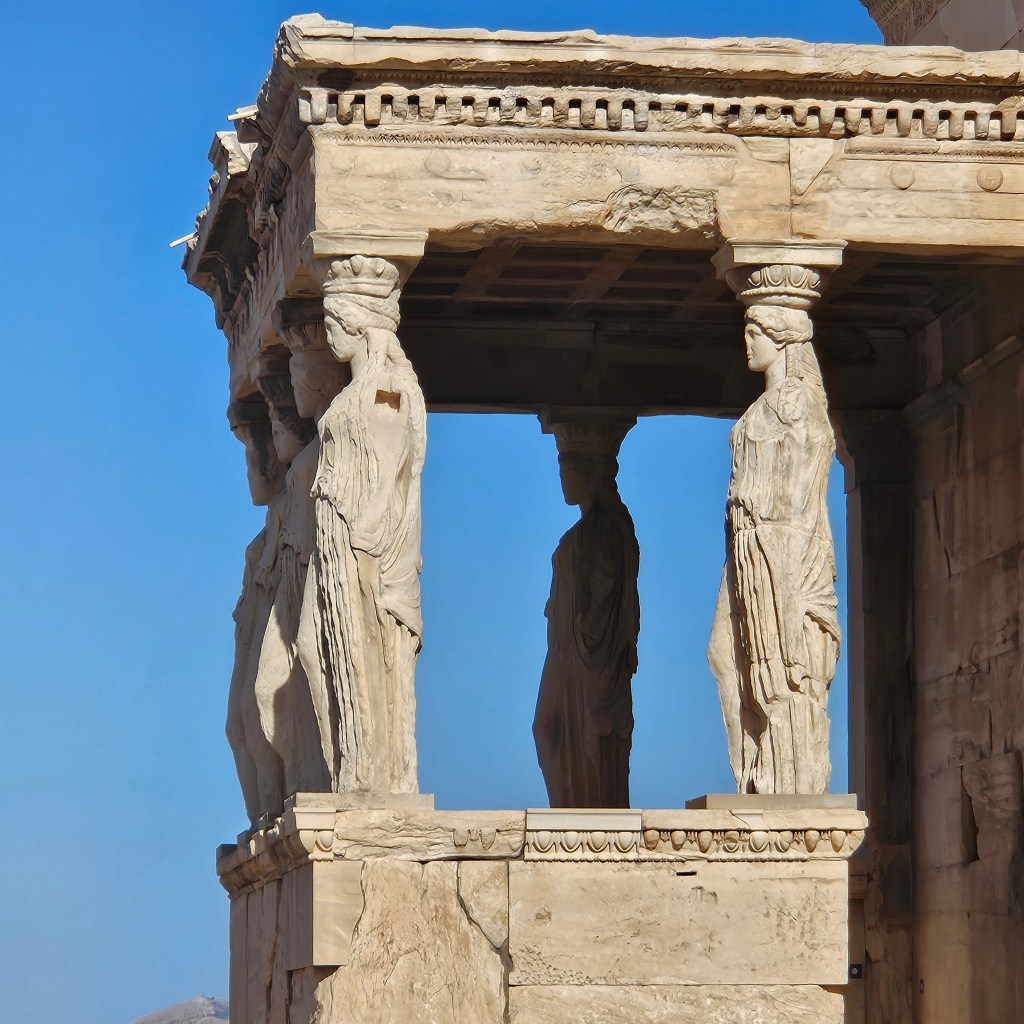


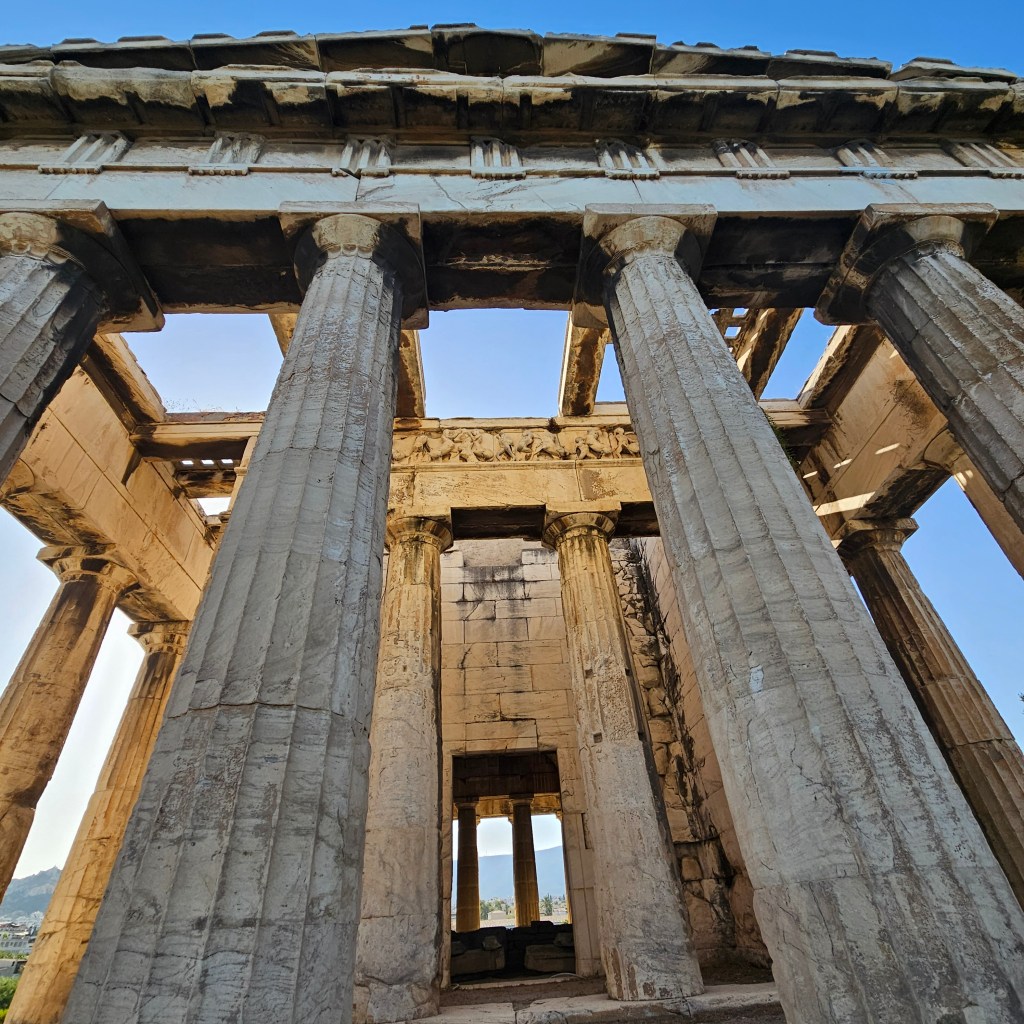

While much maligned, the Middle Ages focused less on the achievements of humanity and more on spiritual enlightenment. Asceticism and monastic orders flourished across much of Eurasia and multiple religious traditions. Although monotheistic, many of these traditions imbibed a type of naturalism, especially in siting temples, churches, monasteries, etc.
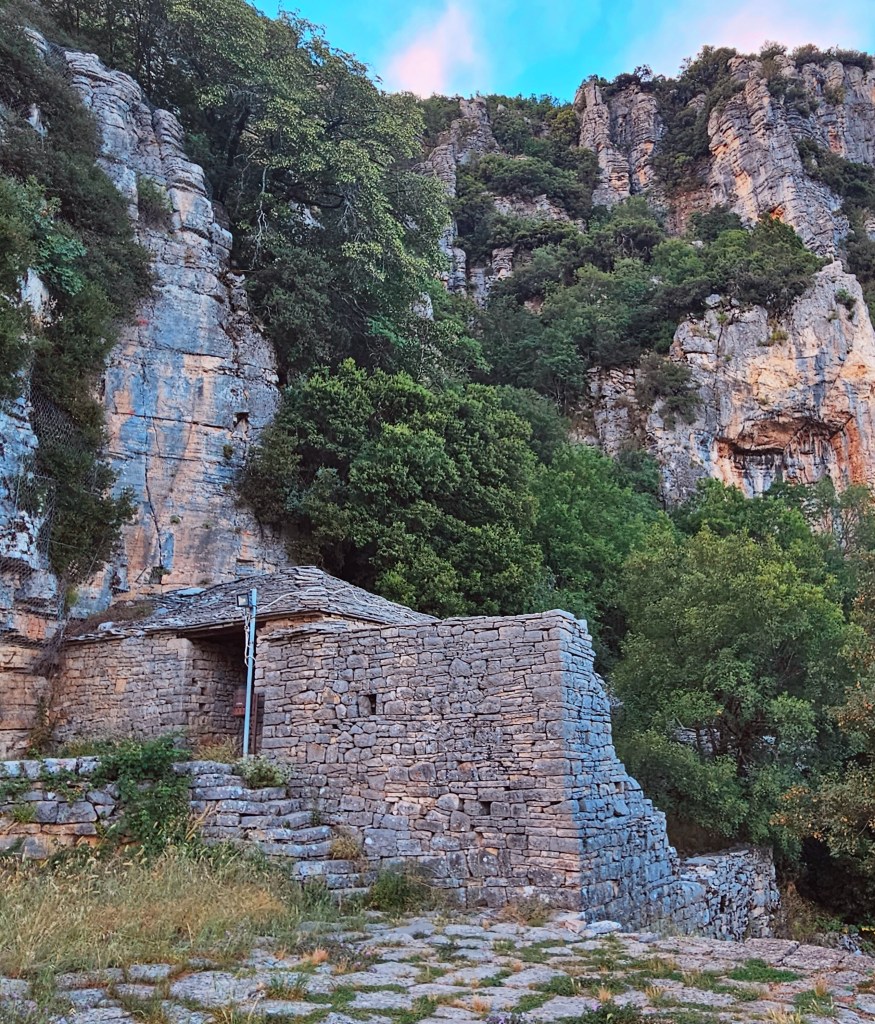
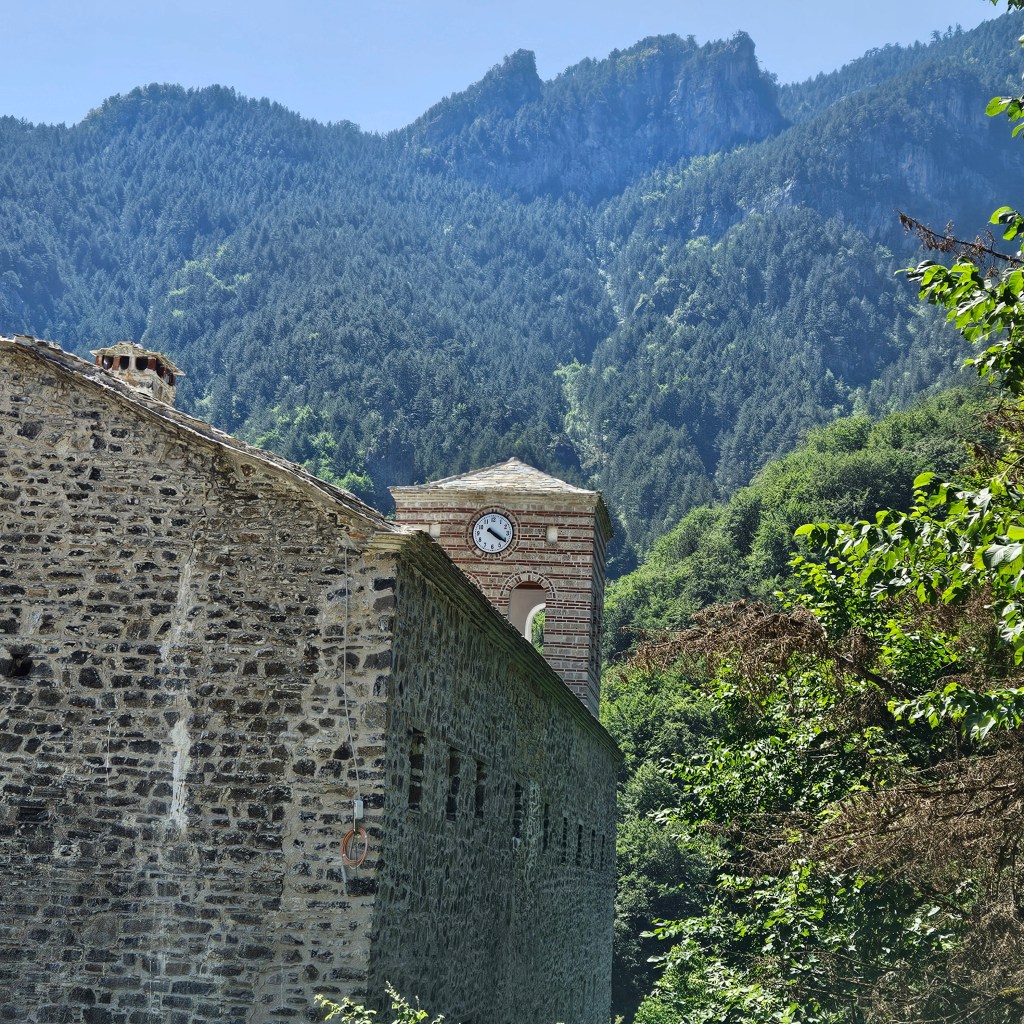
Skyrocketing ahead to the 21st century, most of the world embraces a secular humanism, despite the revival of religious fundamentalism. The faith in technology, science, and human achievement pervades most of the world’s cultures. And yet, we seem to have a vague longing for the magic of nature. Forest bathing, wilderness therapy, eco-psycology, even backyard gardening, all speak to a desire for a greater connection to the natural world. And perhaps nothing so much as the pilgrimages to national parks (and other such sites). But once there, we lack the cultural awareness of what to do with ourselves.
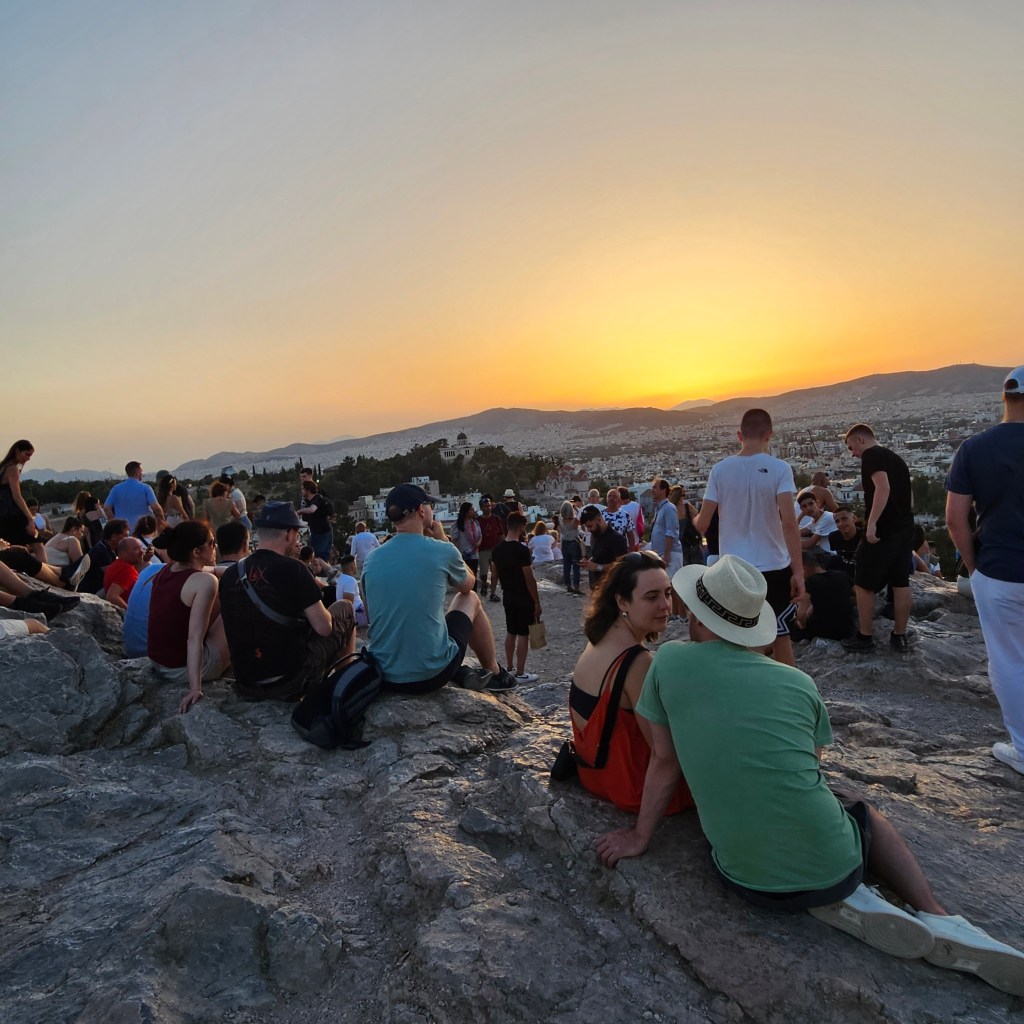
All across Greece, I was struck by the sunset ritual. Whether it was on a rock in Meteora, or at the Acropolis, or on Santorini, tourists (which are really secular pilgrims in a way) gathered by the score (and unfortunately by hundreds at times) to simply watch the sunset. Different cultures had slightly different rituals: the French and Italians brought wine and hors d’oeuvres, the Chinese came in buses, the Americans in smaller but boisterous family groups. But everyone found their spot on a rock or a wall and simply sat and watched the enteral movement of the earth from day to night.



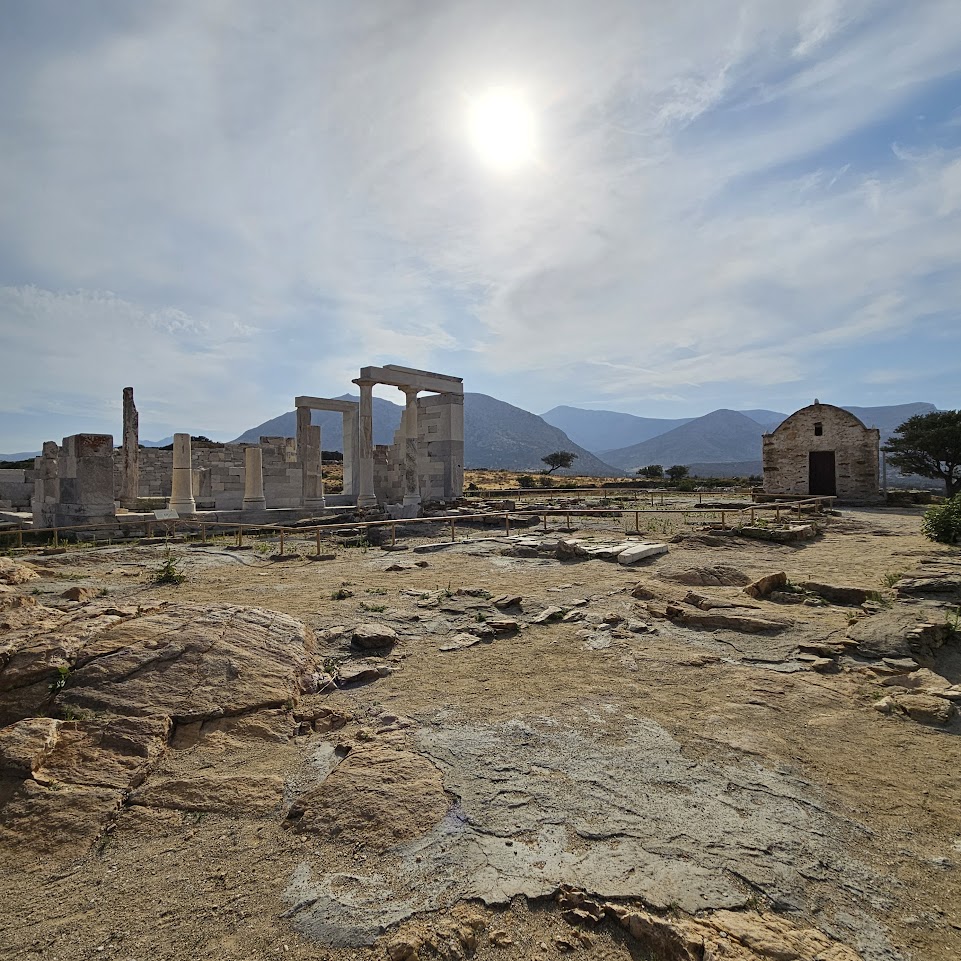
Then there’s the temple of Sangri on the island of Naxos. The temple sits on a high rise amidst agricultural fields. Built around 530 BCE and dedicated to Demeter, the goddess of the harvest, the temple was torn down in the 6th century and the stones repurposed to build a Christian basilica. Recent excavations, however, reveal remnants of a much older open-air fertility cult, possibly even pre-dating the Bronze Age. It would seem that whatever religion is currently popular, it’s the physical site itself, the land, the place that compels a spiritual allegiance.
 Rewilding Urban Rivers
Leave a comment