Delphi, navel of the world
Once upon a time (notice how the phrase immediately denotes a mythological past), before the gods (do we even have a rough date of when Zeus overthrew Kronos?) when paganism ran amok—I’m guessing early Bronze Age or before—early Greeks (or could have been Phoenicians) gazed up at a deep cleft in a striking cliff face from which issued a spring (the Castalian Spring) and proclaimed here was the vulva of Gaia. The twin peaks (the Phaedriades) on either side of the cleft signified her breasts. Before long a local priestess, the sibyl, stood on a nearby rock pedestal and issued all sorts of bizarre proclamations after inhaling the hydrocarbon fumes issuing from under the rock. She became the Oracle of Delphi.
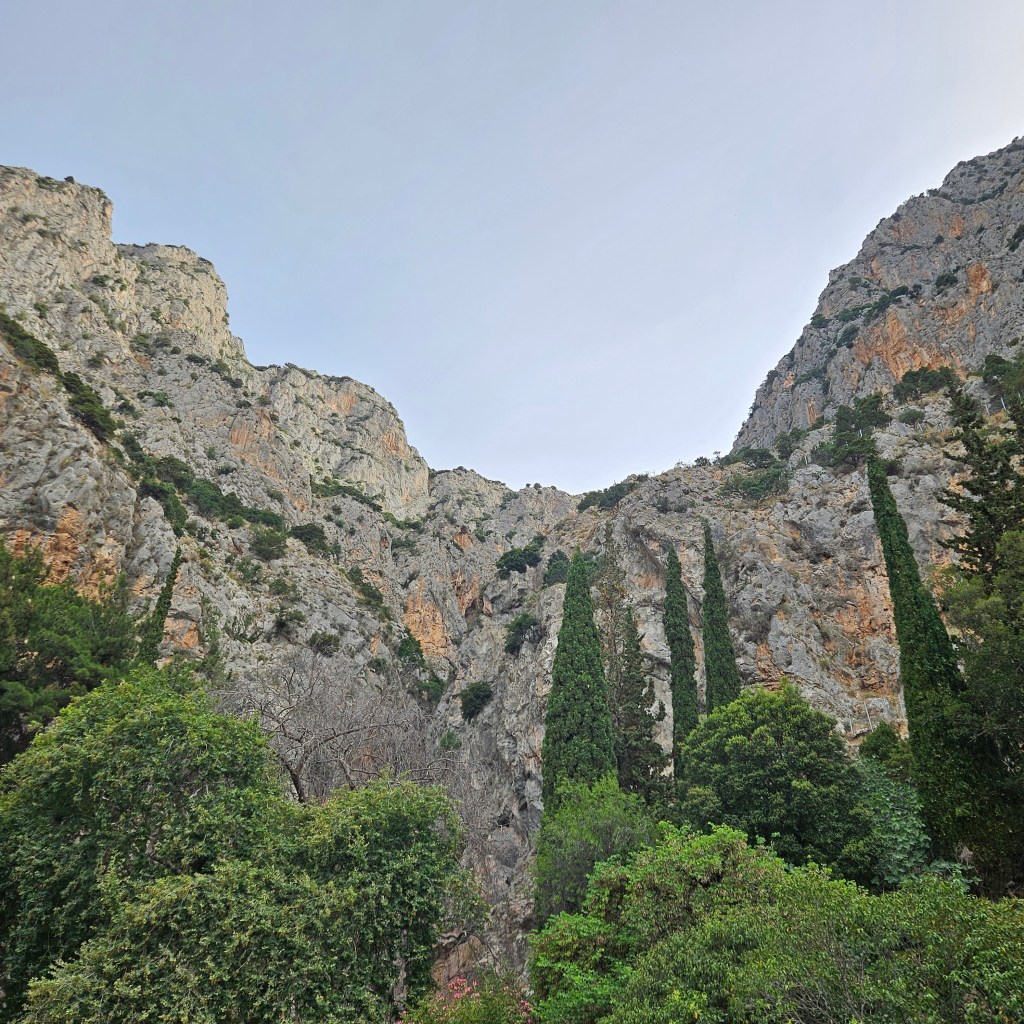
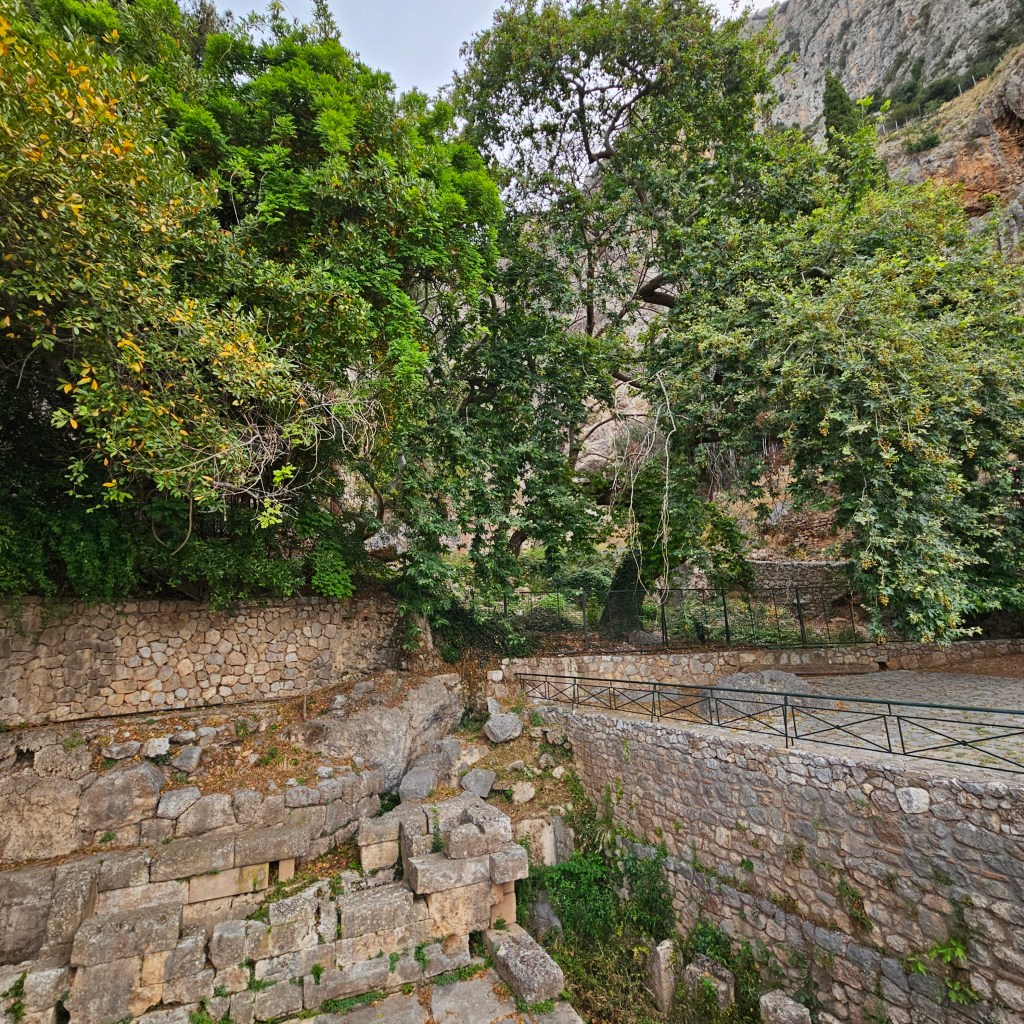
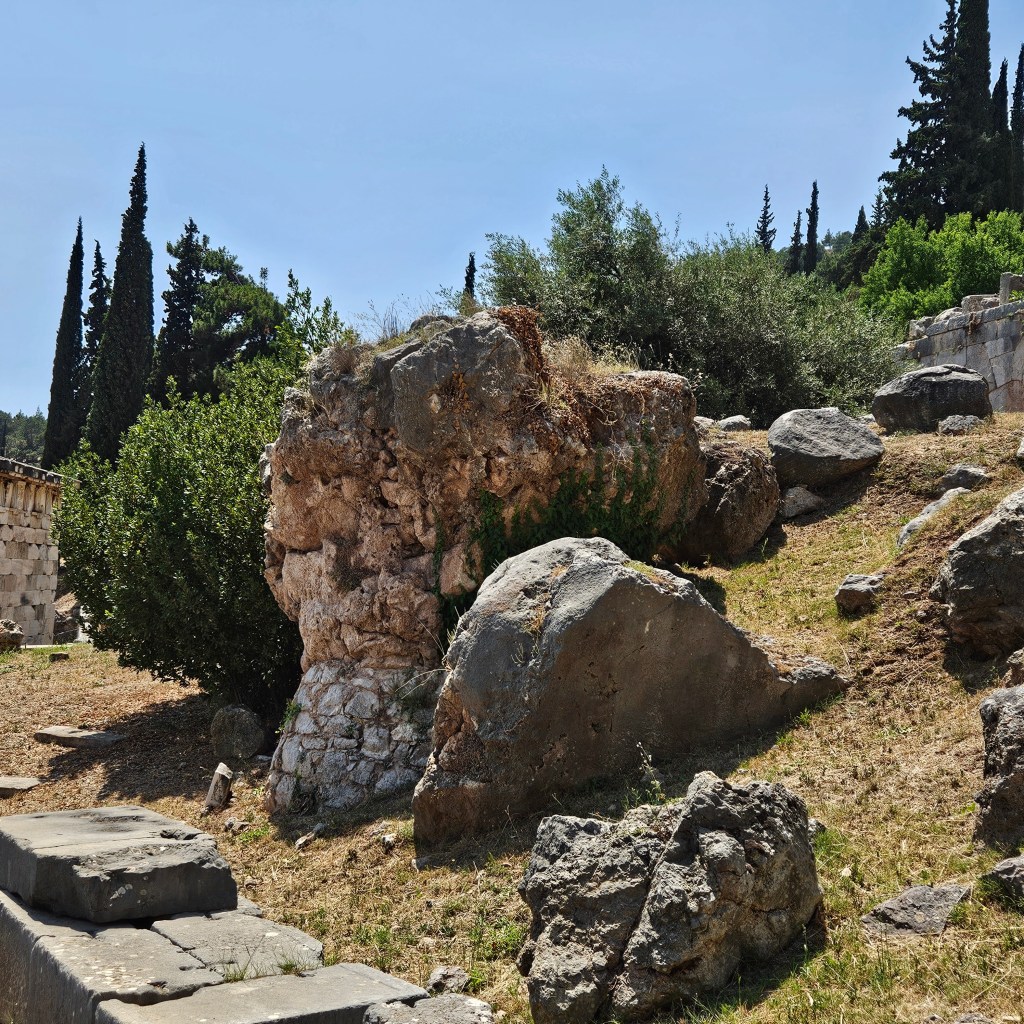
Elaborating on the historical/mythological mashup, Zeus sends a pair of eagles to find the center of the world, Omphalos, and they return having located Gaia’s navel at Delphi.

Apollo then shows up in the shape of a dolphin (Delphineus, “of the dolphin” carrying Cretan priests and slays the dragon, Pythos, who guards the Omphalos and installs his temple just above the sibyl rock. But the oracle lives on and becomes embedded (literally) in Apollo’s temple, continuing to inhale vapors come the earth, mixed with oleander p, which apparently induces epileptic like fits. And the rest as they say is history: everything from the tragedy of Oedipus to the Athenian success at the battle of marathon, all foretold by the Oracle of Delphi, in her own convoluted, cryptic way.


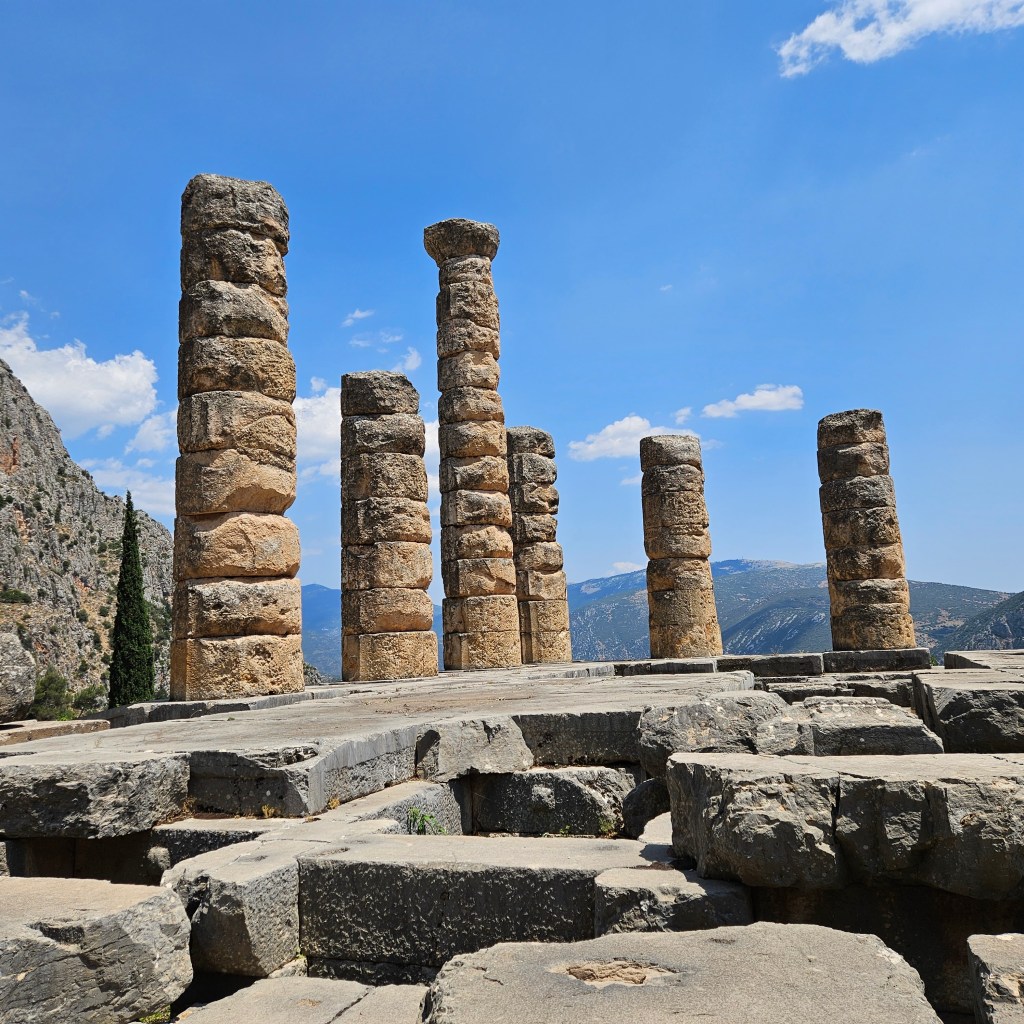
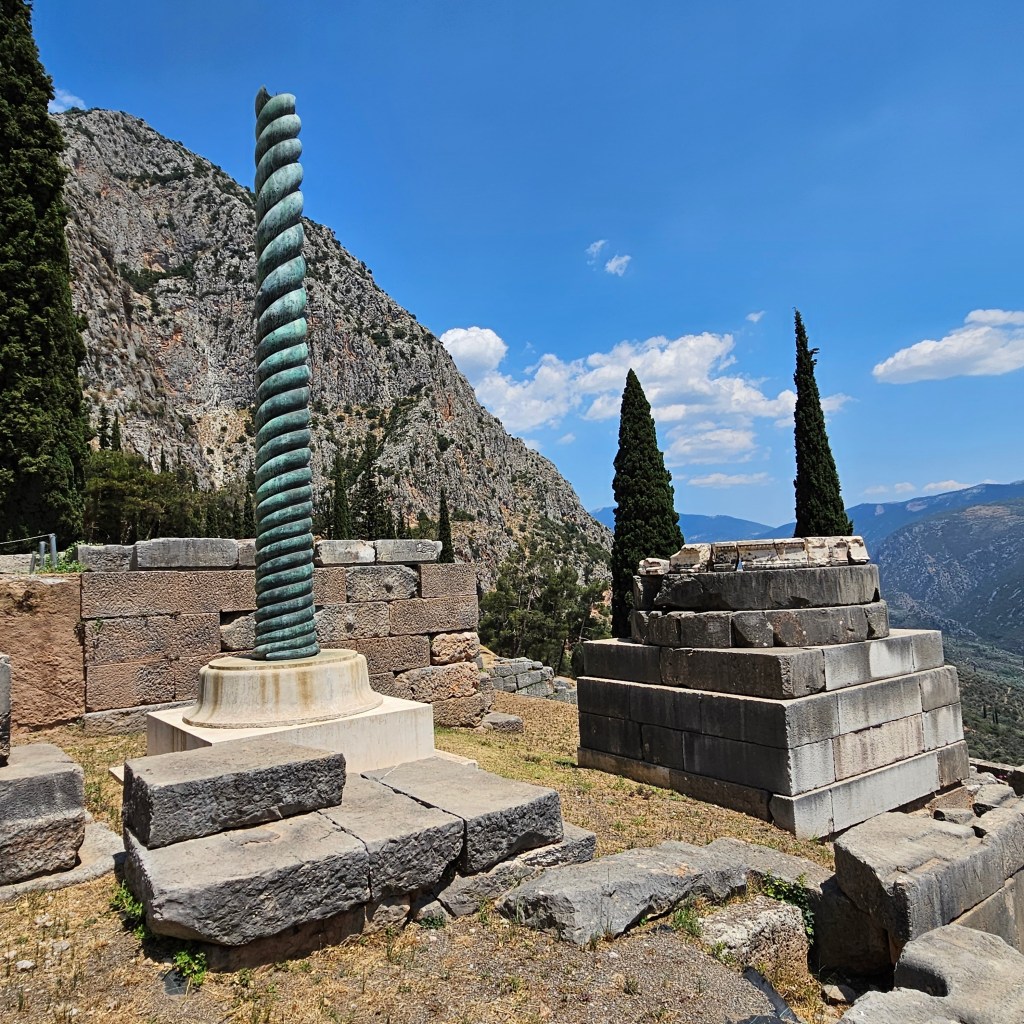
Multiple temples and “treasuries” or dedications followed, especially during the classical Greek period from the seventh to third century BCE. Even the Romans added their monuments, and the site continued to grow, collapse, and be rebuilt until the third century.
So what happened? I mean besides the Romans and Christianity. Earthquakes. The fissure where escaping hydrocarbons gave the oracle her vision, suggests a fault line and indeed an earthquake devastated Delphi in 373 BCE, only to be rebuilt, subsequent tremors over the centuries collapsed and buried the temples. A recent geological study shows that throughout Ancient Greece temples were built on active fault lines. Certainly this could be coincidental as the region is geologically active. Or it could be that the ancients saw the faults as gates to Hades. Or it could be their attempt to demonstrate the dominance of civilization over the forces of Nature.
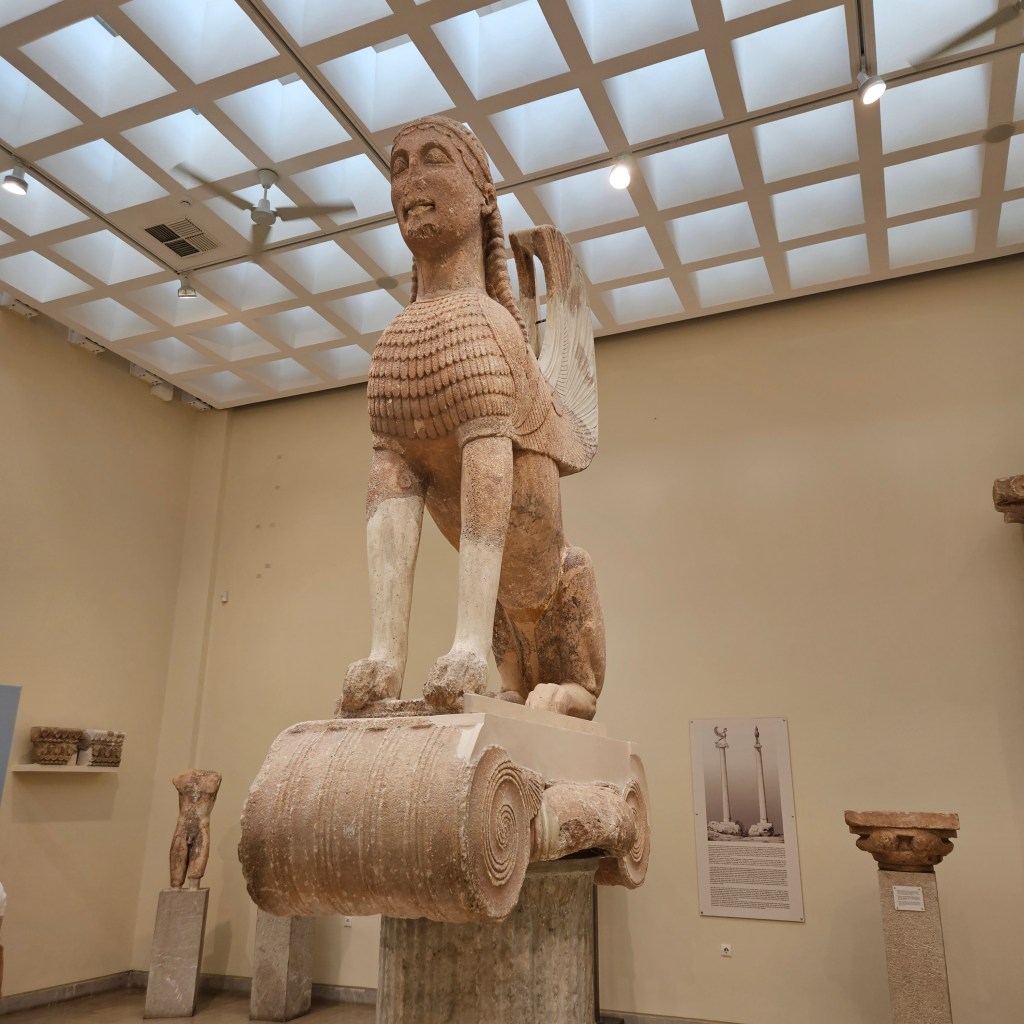
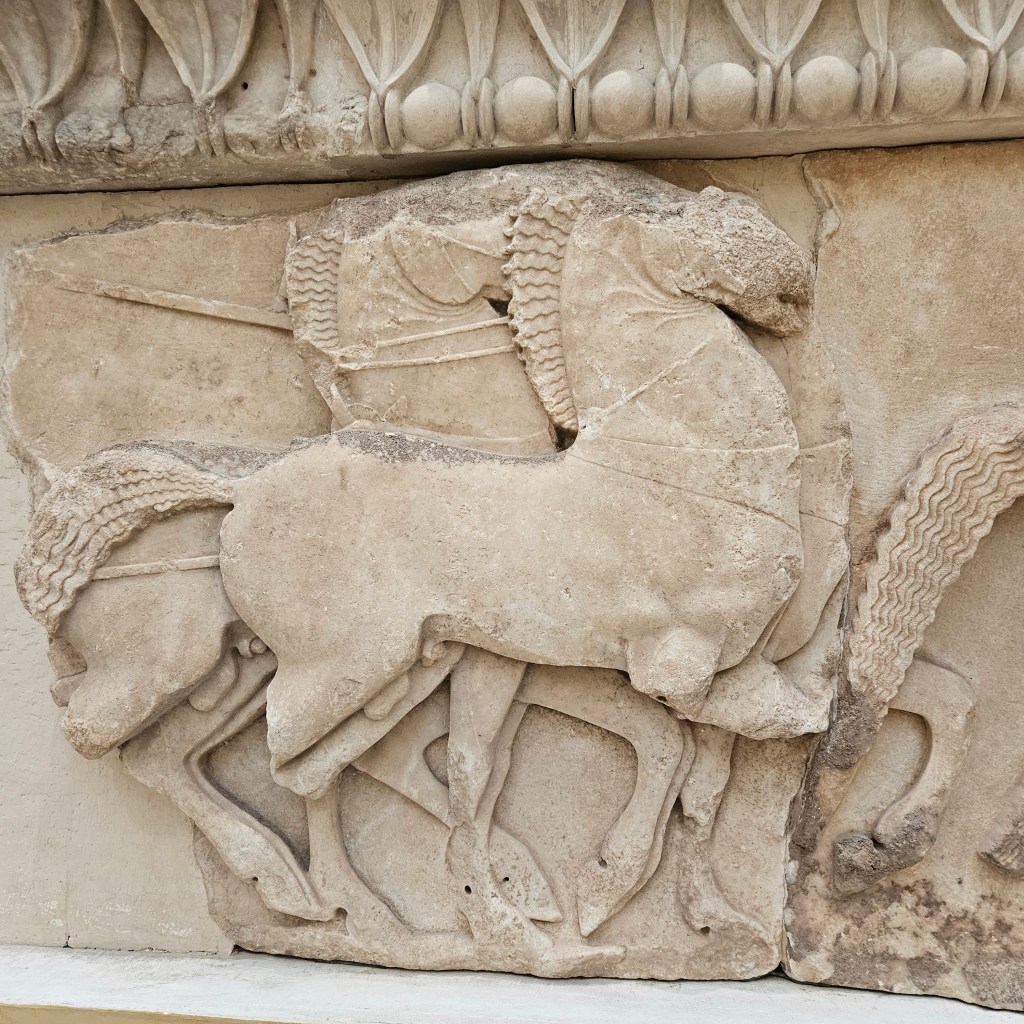
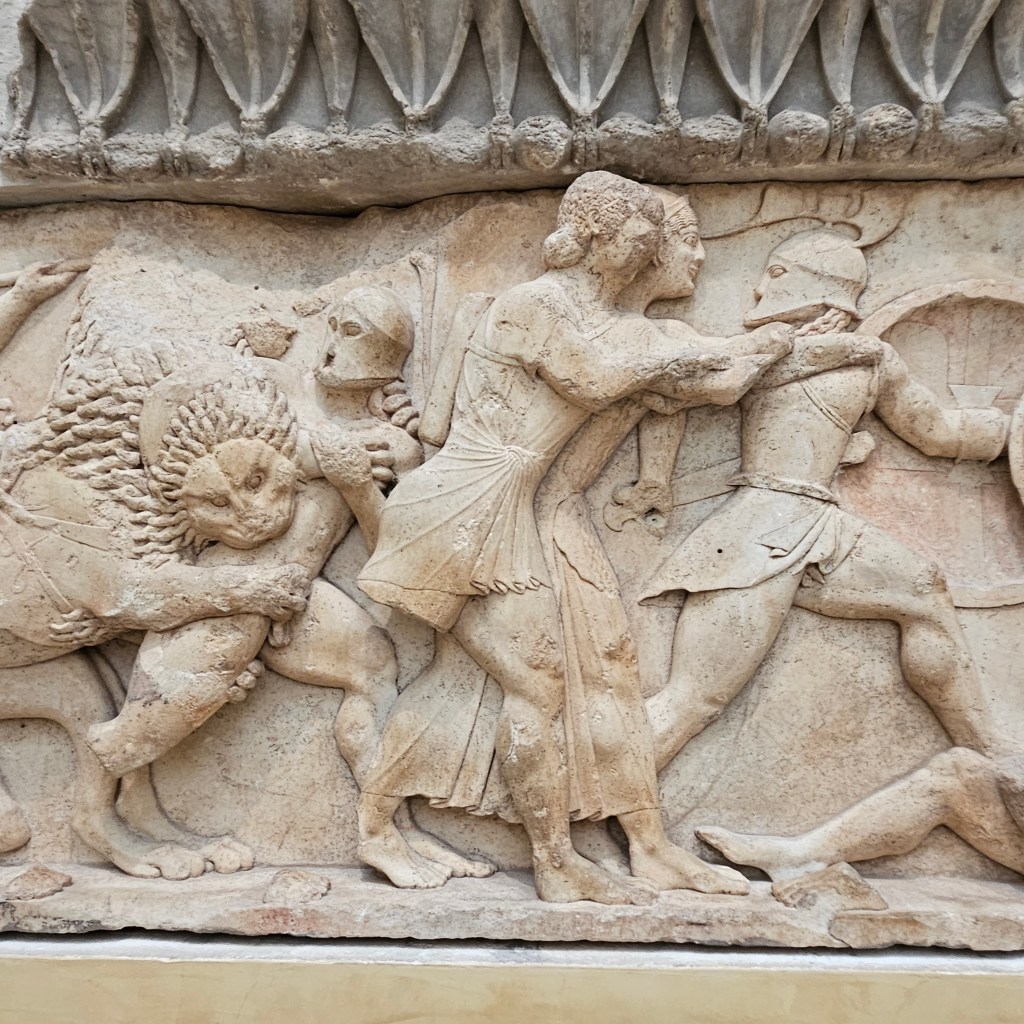

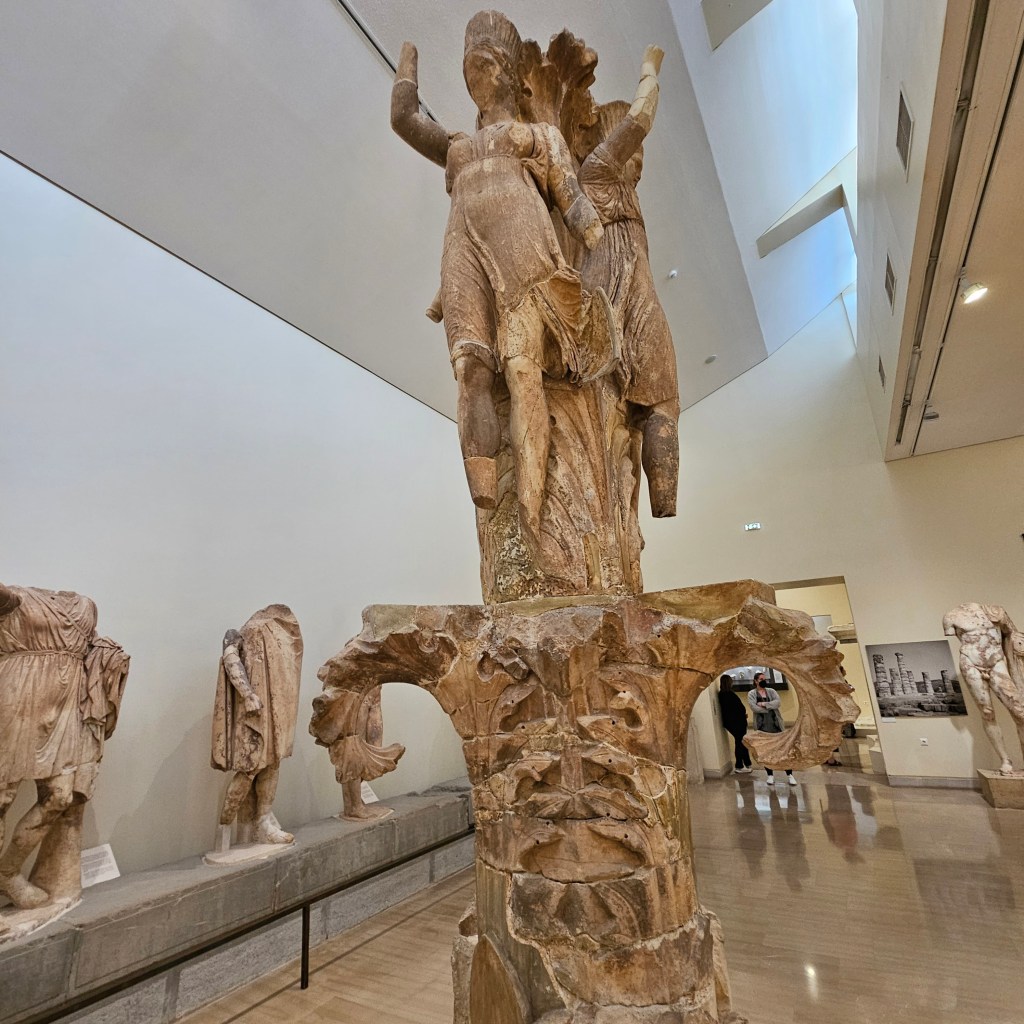
So hear me out here: Gaia’s navel, womb, and breasts are all here on the slopes of Mt. Parnassos. Apollo, the god of music and the arts, arguably the most human of traits, kills a giant snake or dragon, a creature from the depths of the earth and builds a beautiful temple of marble (or I guess has it built by mortals) signifying the triumph of civilization over the chaos of nature. And then on the well preserved friezes at Delphi is the depiction of the victory of the Olympians over the giants. Giants here aren’t necessarily over sized, but rather offspring of Gaia, the barbaric pagans. Maybe the ancient Greeks steered us wrong after all.
Such is the power of narrative. Nature is chaotic and unpredictable (#quantumphysics), but narrative makes sense of the world. Art, music, theatre, and literature are all ways humans attempt to impose some sense of rational order and structure on an unruly world. We could run around with Pan and the water nymphs, or we can create a sense of meaning and purpose. Although the former kept popping up, the ancient Greeks made it clear that the latter would triumph. Its hardly a coincidence that we name spacecraft (arguably our greatest rational achievement) after the gods.
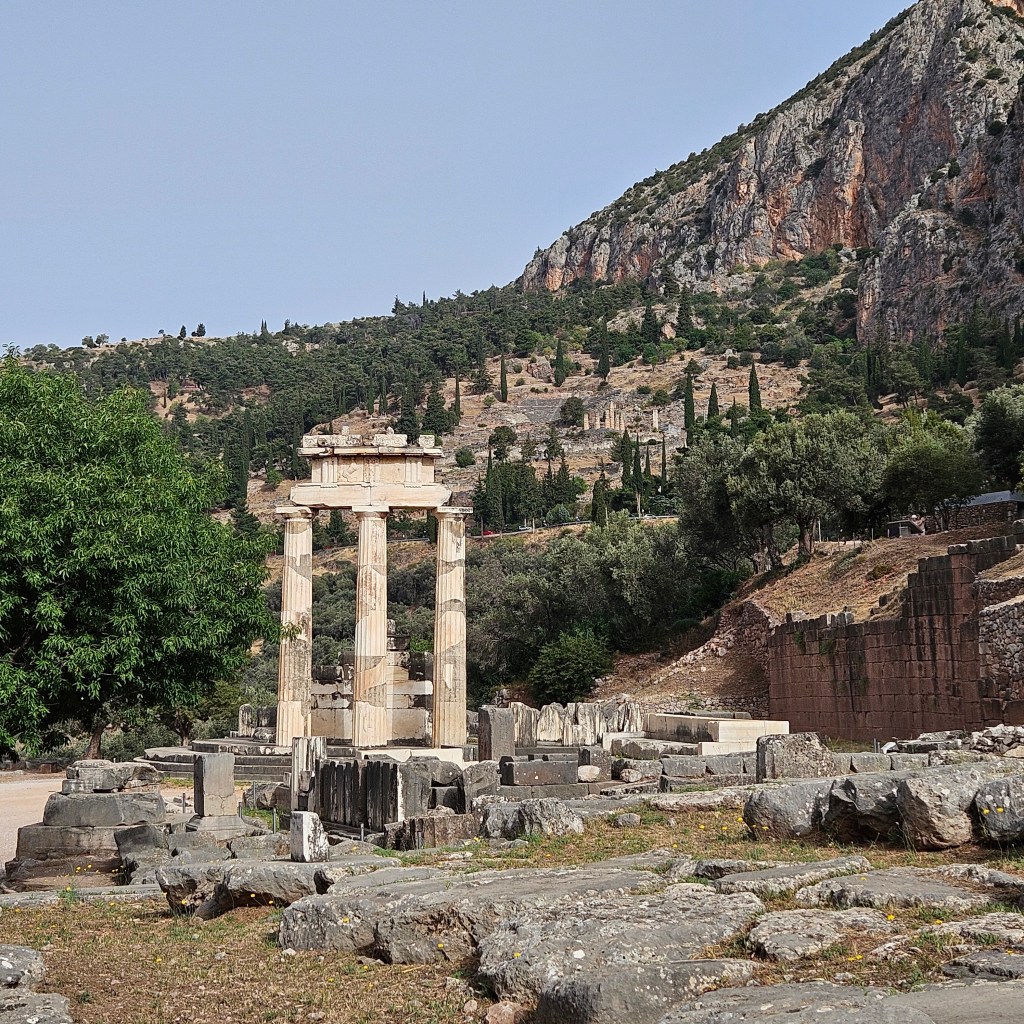
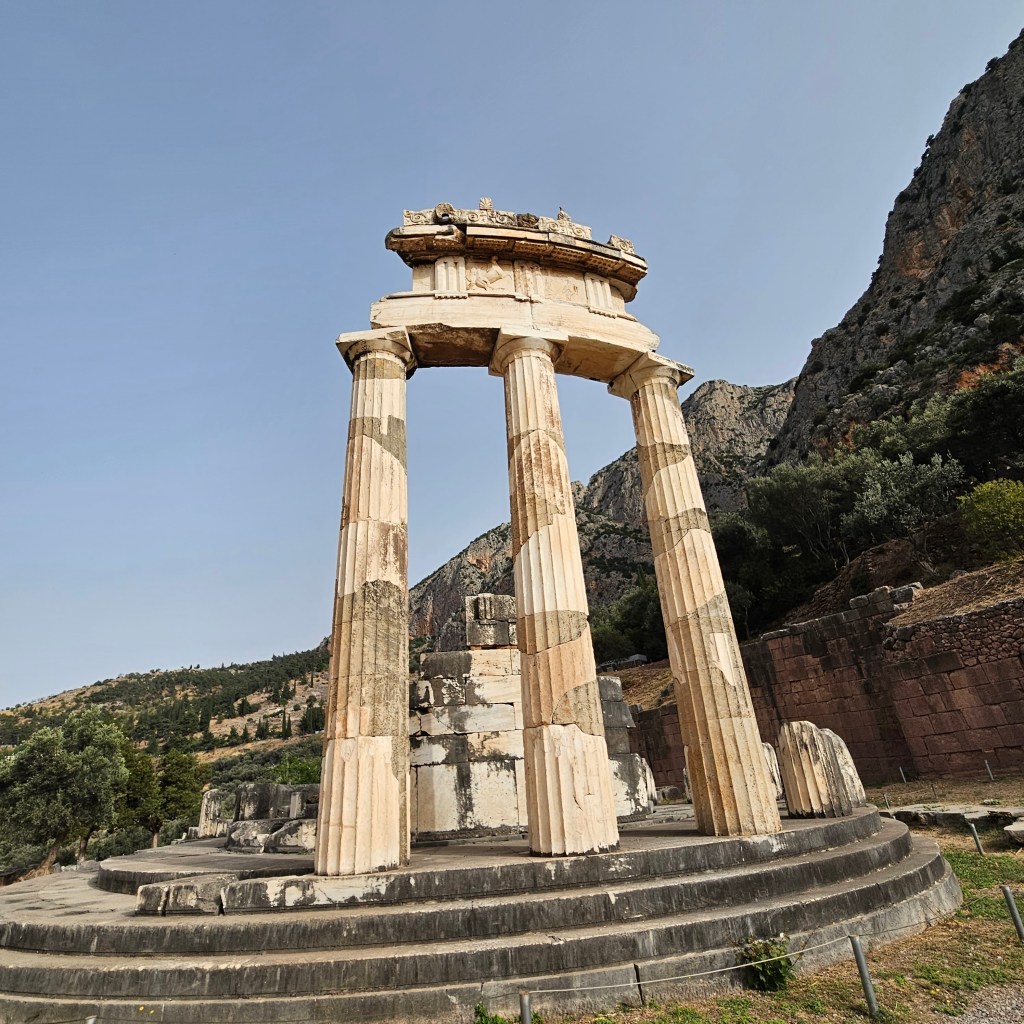
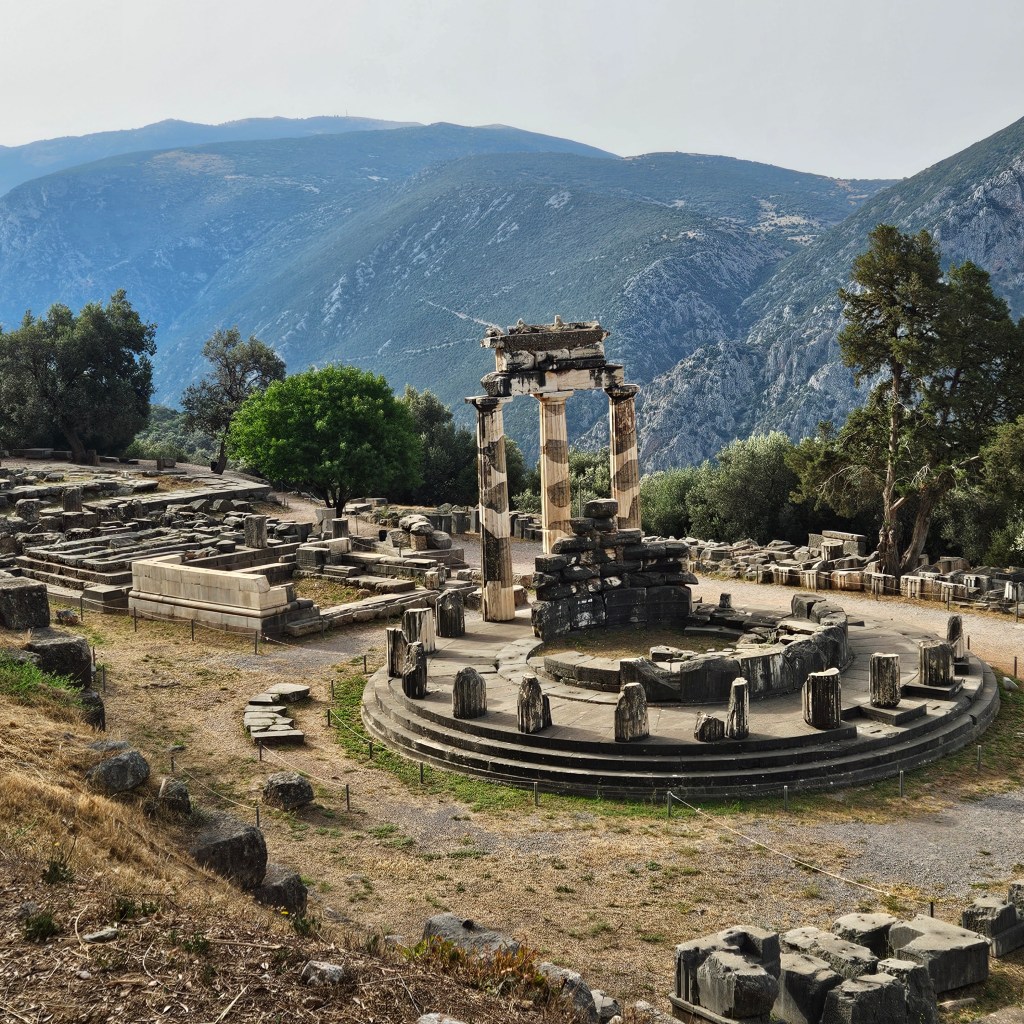
And while Delphi represents the triumph of humanism over nature, it also shows how nature inspires culture. The Temple of Athena (above) greets pilgrims and the pillars draw one’s gaze skyward toward the Phaedriades. And the theater provides a sweeping of the valley below.
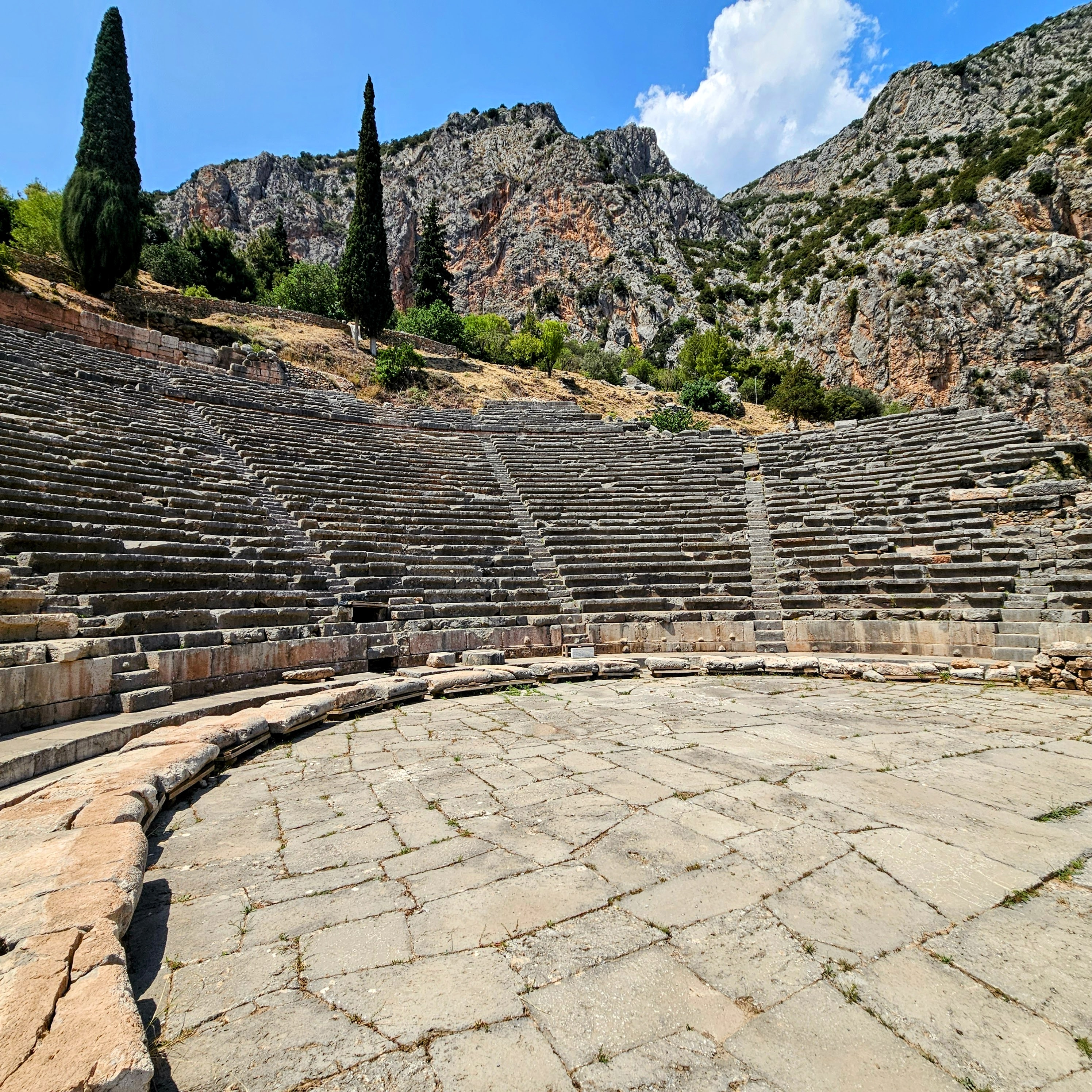
Greeks enclosed the Castilian spring so the oracles and pilgrims could purify themselves. Even the Romans kept the practice. So perhaps it’s possible for humans to enhance nature with artistic creativity. Today, however, the spring has dried up.
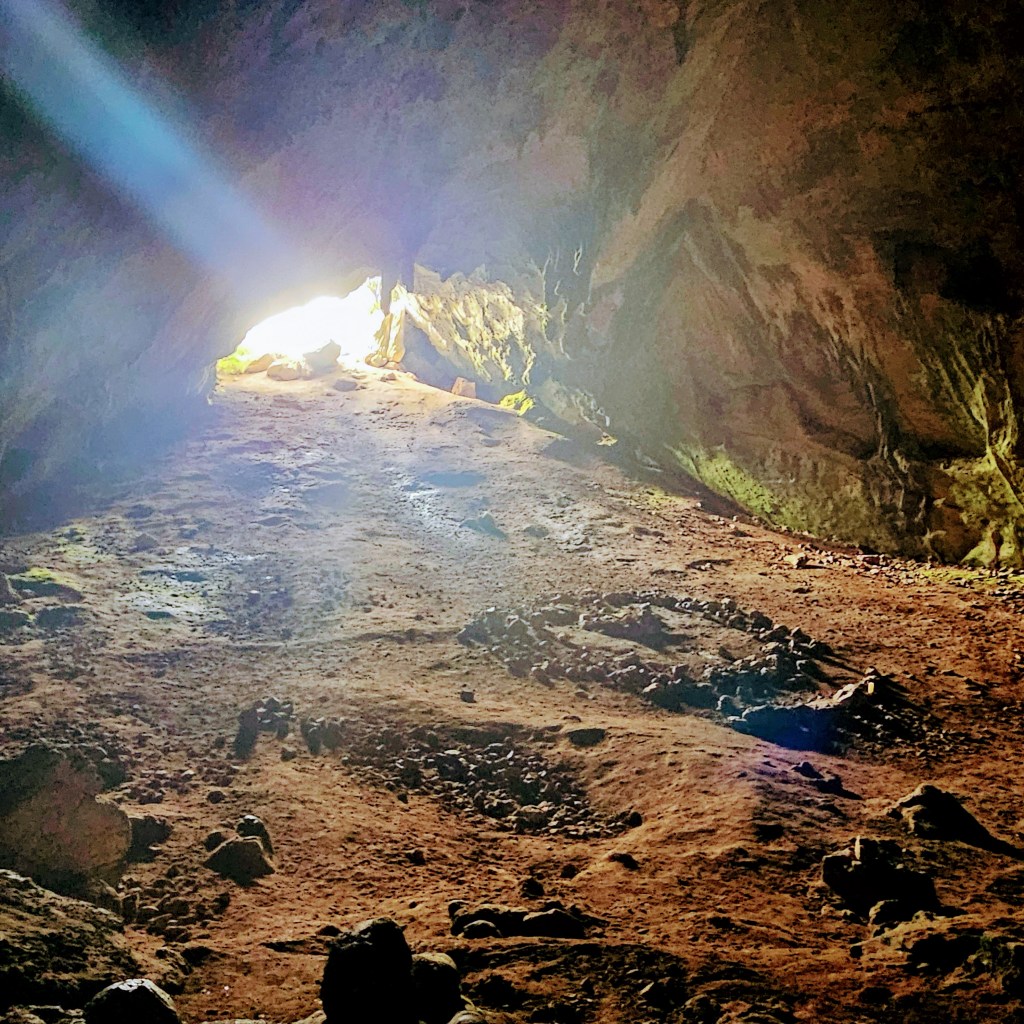
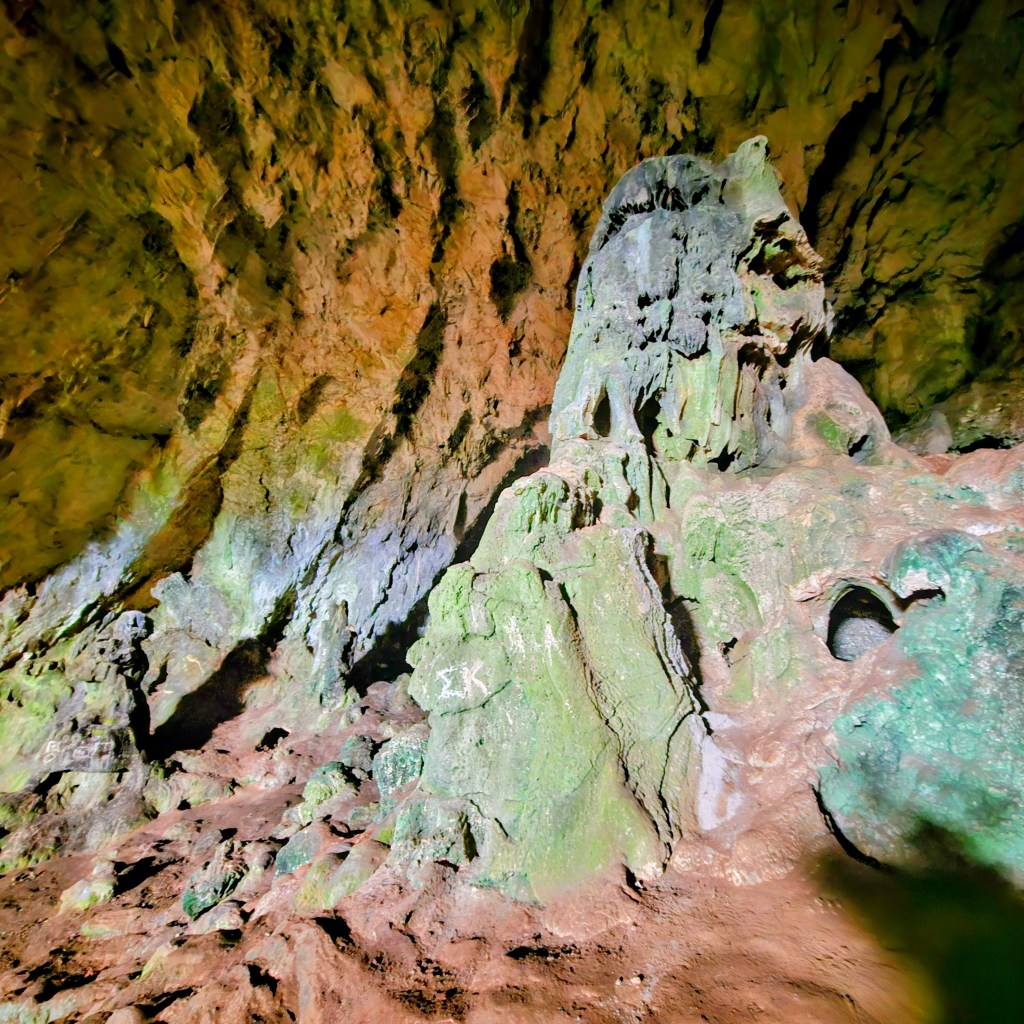
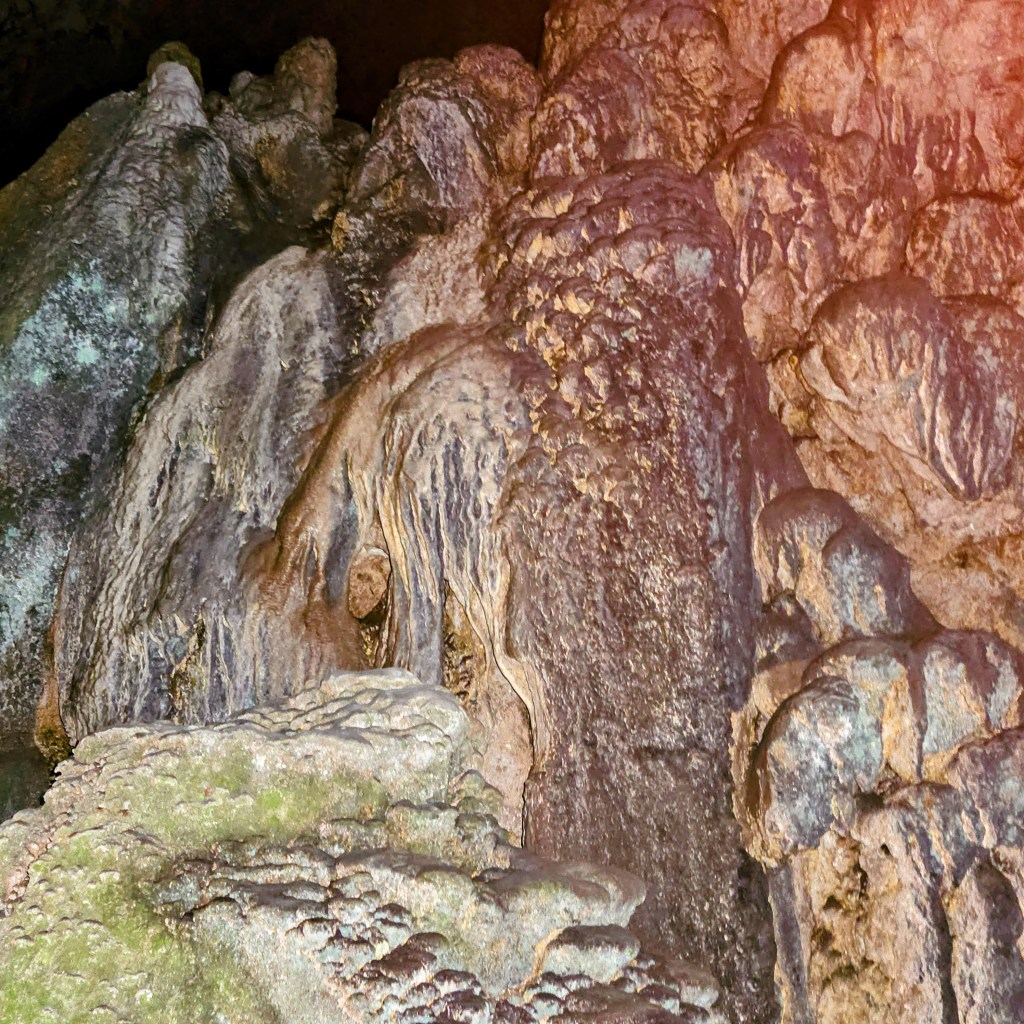
Speaking of Pan, father up Mt. Parnassos is a cave, another Neolithic site, like Delphi. Apparently the Corsican nymphs dwelled here and it has long (long before Apollo) served as a place of worship of Pan. But again, along comes Zeus and his battle against Typhon here supersedes the importance of Pan and the cave nymphs. And yet, apparently the cave is still used by adherents of Pan (according to a local eyewitness).


 Rewilding Urban Rivers
Leave a comment